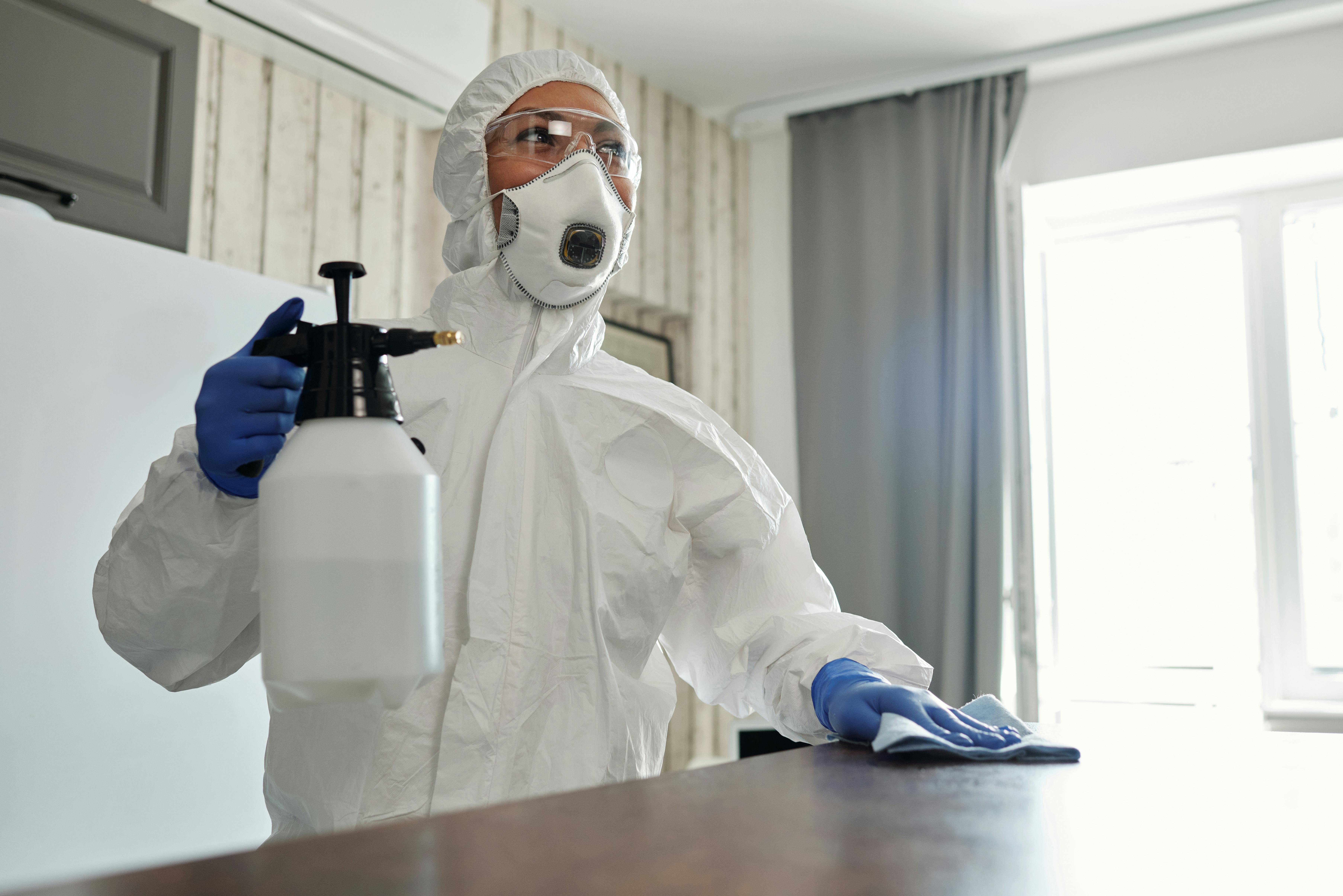
Biohazard cleaning UK involves the safe cleaning, disinfection, removal, and disposal of hazardous biological contamination. It is used where a property, room, vehicle, or work area has been affected by blood, bodily fluids, infectious risk materials, sharps, sewage contamination, or other potentially harmful substances.
Unlike standard domestic or commercial cleaning, biohazard cleaning is a specialist process. The aim is not only to remove visible contamination, but also to reduce health risks, prevent cross-contamination, and restore the affected area to a safer condition.
This guide explains what biohazard cleaning includes, when it is needed, and how the process usually works in practice.
What Is Biohazard Cleaning?
Biohazard cleaning is the specialist cleaning of areas affected by biological contamination that could present a health risk. This can include visible contamination such as blood or bodily fluids, but it can also involve hidden contamination inside soft furnishings, flooring, subfloors, bathrooms, kitchens, or waste-affected areas.
In simple terms, it is the type of cleaning used when normal products and ordinary cleaning methods are not enough.
Biohazard cleaning may be needed in private homes, rented properties, care environments, commercial premises, communal areas, and vehicles.
For direct service support, see our related TrustedCare page on Biohazard Cleaning UK.
When Is Biohazard Cleaning Needed?
Biohazard cleaning is usually needed after incidents where biological contamination is present or suspected. The exact circumstances vary, but the common issue is that the affected area cannot be made safe through ordinary cleaning alone.
Examples include:
- blood cleanup after an accident or injury
- after death cleaning in a property
- unattended death situations
- trauma scene cleaning
- bodily fluid contamination
- sewage contamination
- needle or sharps removal
- infectious risk cleaning
Some situations involve one type of contamination only. Others involve several risks at once, particularly where a property has been unattended or heavily affected.
What Does Biohazard Cleaning Include?
Biohazard cleaning is usually more structured than people expect. The work often includes more than surface wiping or spraying.
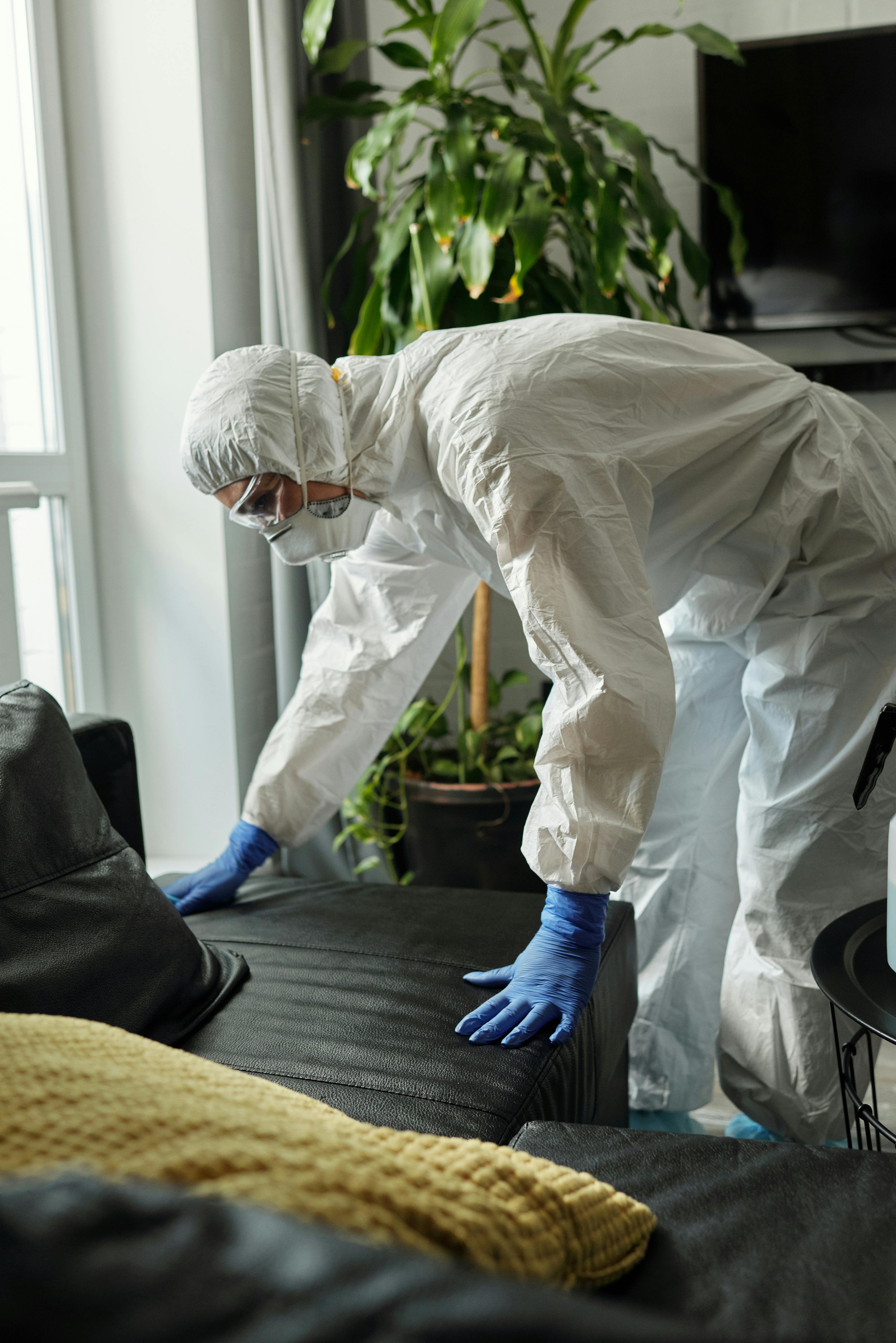
A professional biohazard cleaning job may include:
- initial assessment of contamination
- use of PPE and controlled working methods
- containment of the affected area
- removal of contaminated contents or materials
- deep cleaning and disinfection
- odour treatment where required
- hazardous or specialist waste disposal
- final review of the treated area
Where contamination has penetrated into carpets, mattresses, plasterboard, flooring, or furnishings, some materials may need to be removed instead of cleaned.
Why Is Biohazard Cleaning Different from Normal Cleaning?
The main difference is risk. Standard cleaning focuses on dirt, dust, stains, and hygiene. Biohazard cleaning focuses on contamination that may carry biological risk and may spread if handled incorrectly.
That changes the approach completely. The work may need controlled waste handling, specialist disinfectants, protective equipment, and a plan for materials that cannot safely be restored.
Even when contamination looks limited, the affected area can be wider than it first appears. Soft materials and porous surfaces can absorb fluids and trap contamination below the visible surface.
How Does the Biohazard Cleaning Process Work?
Every case is different, but most biohazard cleaning follows a similar structure.
1. Assessment
The affected area is checked to understand the level of contamination, what materials are involved, and whether any items need to be removed.
2. Safety setup
Protective equipment is used and the working area may be controlled to reduce exposure and stop contamination spreading further.
3. Removal of contaminated materials
Where materials cannot be safely cleaned, they are removed and handled through the correct disposal route.
4. Cleaning and disinfection
The area is cleaned using appropriate disinfectants and treatment methods suited to the contamination present.
5. Waste handling
Waste is separated, bagged, and handled properly rather than treated as ordinary household rubbish.
6. Final check
The treated area is reviewed so the property can move to the next stage, whether that means reoccupation, further repairs, or additional restoration.

Who Might Need Biohazard Cleaning?
Biohazard cleaning may be needed by:
- families dealing with a difficult incident at home
- landlords and letting agents
- housing associations
- care providers
- commercial property managers
- business owners after an on-site incident
Many people seek help not because the area is large, but because the work is distressing, uncertain, or clearly outside the scope of ordinary cleaning.
Biohazard Cleaning After a Death in a Property
One of the most common reasons people search for biohazard cleaning is after a death in a home or rented property. In these cases, the work may involve blood cleanup, bodily fluid contamination, odour treatment, disposal of affected furnishings, and deeper structural cleaning where needed.
Where a person has been undiscovered for a period of time, the remediation can become more complex because contamination and odour may spread further into the property.
For price context, see our related guide: After Death Cleaning Cost UK.
Can Biohazard Cleaning Restore Everything?
Not always. Some surfaces can be disinfected and retained. Others cannot. The answer depends on what type of contamination is present, how deeply it has penetrated, and whether the material is porous or non-porous.
Hard surfaces are often easier to restore. Carpets, mattresses, underlay, upholstered items, and some structural materials are more difficult. In some cases, removal is the safer and more realistic option.
What Affects the Cost of Biohazard Cleaning?
The cost of biohazard cleaning usually depends on:
- the type of contamination involved
- the size of the affected area
- whether one room or several rooms are involved
- the level of penetration into flooring or contents
- waste disposal requirements
- whether odour treatment is needed
- the urgency of attendance
Minor cases are usually simpler and quicker. More advanced cases involving structural contamination, prolonged exposure, or multiple rooms are naturally more involved.
Why Professional Biohazard Cleaning Matters
Biohazard cleaning is not just about appearance. The purpose is to reduce risk, manage contamination properly, and deal with affected materials in a way that ordinary cleaning does not cover.
Professional help also gives families, landlords, and property managers a practical route through situations that can otherwise feel overwhelming.
In many cases, the real value is clarity: knowing what needs to be removed, what can be saved, and how to deal with the situation properly from the start.
When to Call for Help
You should usually seek specialist help where there is blood, bodily fluid contamination, infectious risk cleaning, sewage exposure, needle hazards, or any incident linked to death or trauma.
If you need direct support, explain what has happened, what areas are affected, and whether any items have already been moved or touched.
For service support, visit TrustedCare Biohazard Cleaning UK.
Related Guides

TrustedCare Editorial Team publishes UK guidance on specialist cleaning and biohazard remediation, including after-death cleaning, flood restoration, and contamination control. Content is written for homeowners, landlords, housing providers, and facilities teams seeking clear, practical information.