Trauma scene cleaning costs in the UK can vary significantly depending on the type of incident, the amount of contamination present, the size of the affected area, and whether furnishings, flooring, or structural materials need to be removed. Understanding the trauma scene cleaning cost uk is crucial for planning and budgeting.
To gain further insight into the trauma scene cleaning cost uk, it’s important to consider the various factors that influence pricing.
Some jobs involve a relatively contained area and straightforward decontamination. Others are more complex and require specialist cleaning, controlled waste disposal, odour treatment, and deeper remediation of the property.
Because no two incidents are exactly the same, trauma scene cleaning is usually priced based on the actual condition of the scene rather than a single fixed rate. This guide explains what affects the cost, what may be included, and why some jobs cost much more than others.
For a broader overview of specialist cleaning pricing, visit our Specialist Cleaning Costs UK
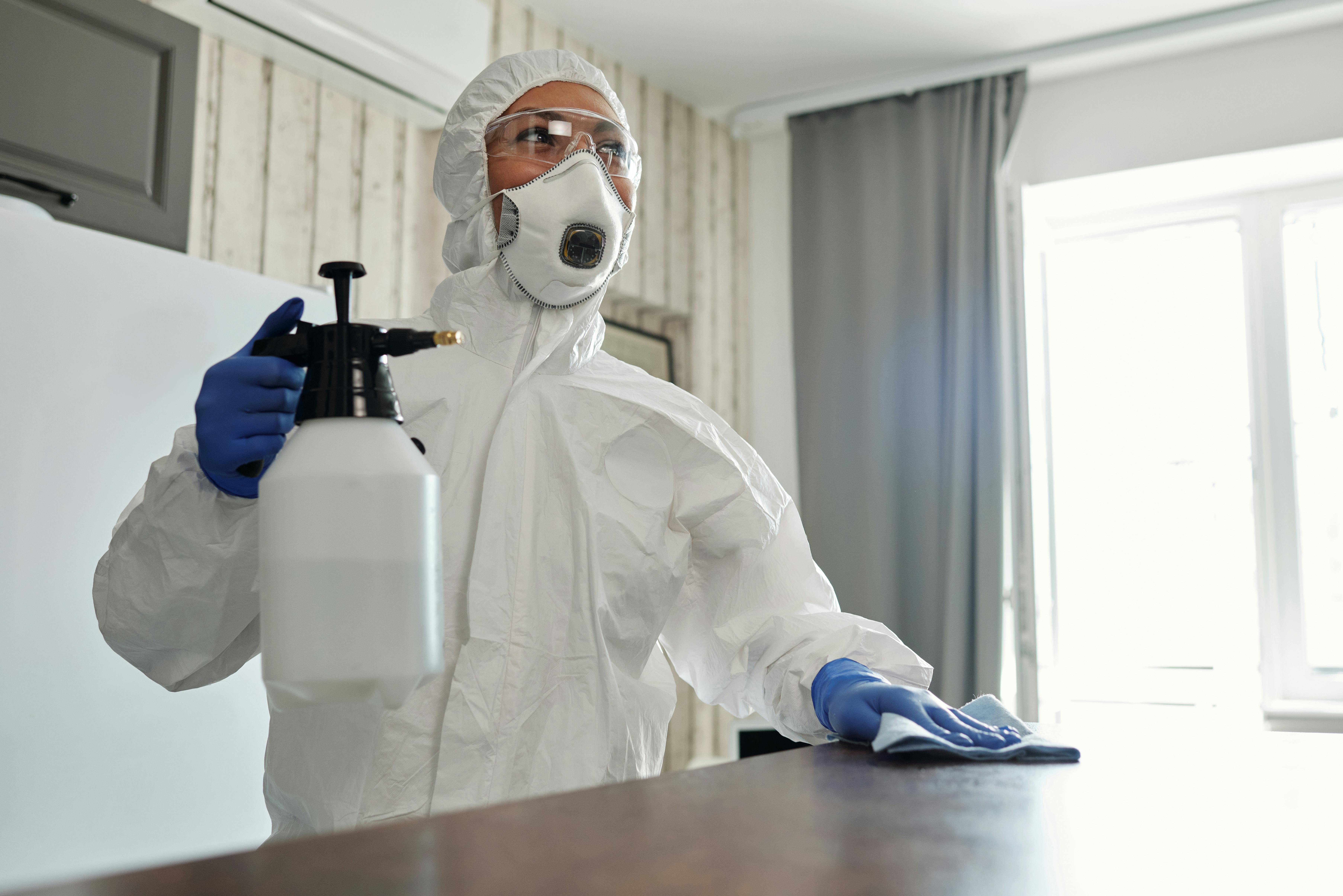
What Is Trauma Scene Cleaning?
Trauma scene cleaning is specialist cleaning carried out after serious incidents involving blood, bodily fluids, or other biological contamination. This can include accidents, suicides, assaults, sudden deaths, medical emergencies, and other distressing events inside a property.
The purpose is not just to clean what can be seen. The work is focused on decontamination, safe handling of contaminated waste, and restoring the area to a safer condition.
If you want a full explanation of the process, read our guide to Trauma Scene Cleaning UK.
How Much Does Trauma Scene Cleaning Cost in the UK?
Trauma scene cleaning prices vary from smaller contained jobs to much more extensive work where contamination has spread across multiple surfaces or into absorbent materials.
In broad terms, prices usually rise depending on:
- the size of the affected area
- the amount of blood or bodily fluid contamination
- whether one room or several areas are involved
- whether carpets, mattresses, furniture, or flooring must be removed
- waste disposal requirements
- whether odour treatment is required
- whether attendance is urgent or out of hours
A single contained room is usually more straightforward than an incident affecting stairs, hallways, adjoining rooms, soft furnishings, or structural materials.
What Affects the Cost Most?
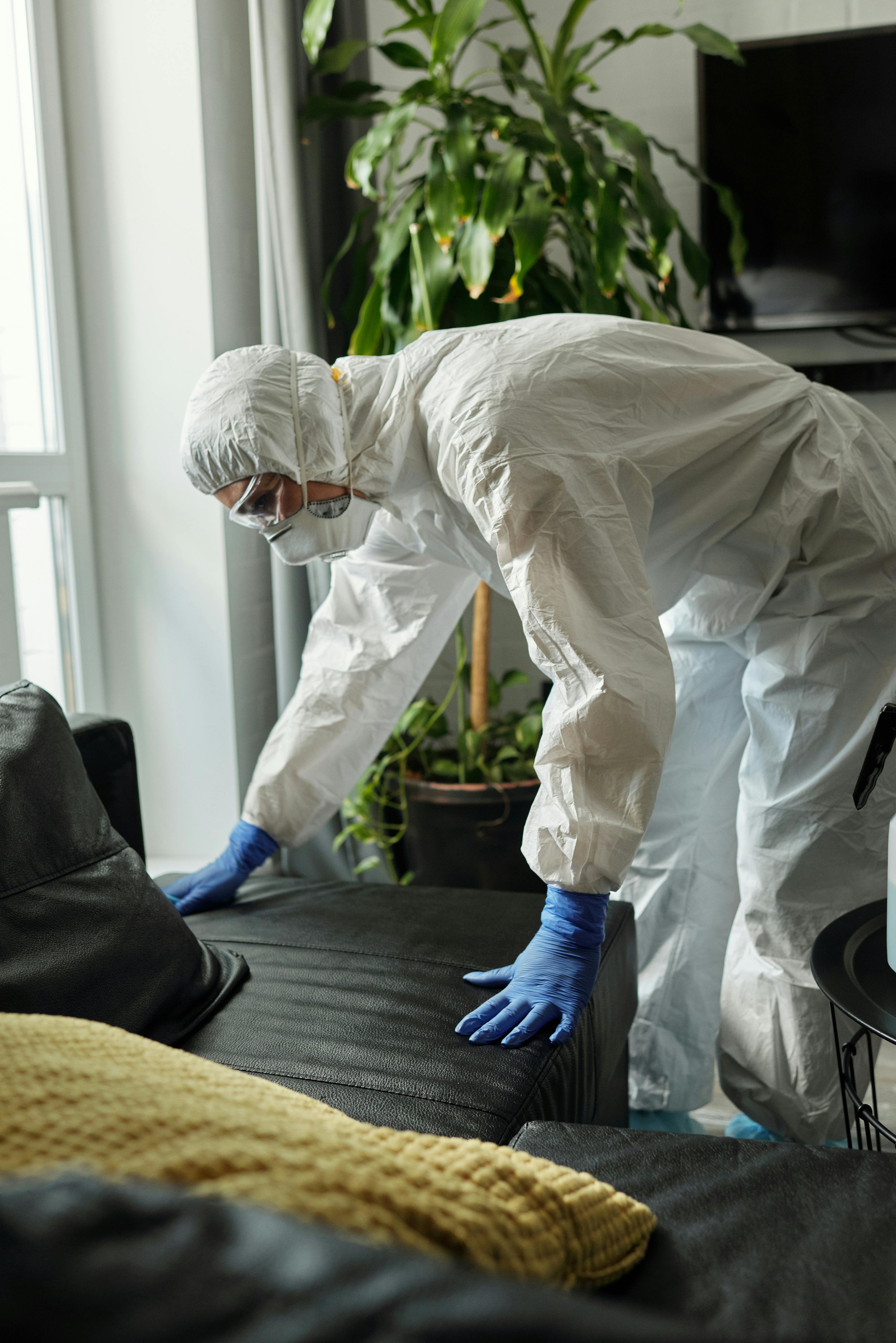
The biggest cost factors are usually how far the contamination has spread and how much material has to be cleaned, removed, or disposed of safely.
1. The type of incident
Different incidents create different levels of contamination. A contained accident may be simpler to deal with than a more severe scene involving multiple affected surfaces.
2. The amount of contamination
The greater the volume of blood or bodily fluids, the more time, disinfectant, protective equipment, and waste handling are usually required.
3. Porous surfaces and soft furnishings
If contamination has soaked into carpets, underlay, mattresses, sofas, bedding, or plasterboard, cleaning alone may not be enough. Removing and disposing of contaminated materials increases the total cost.
4. Number of rooms involved
A single room is one thing. Once contamination reaches adjoining rooms, corridors, stairs, or shared surfaces, the scale of work increases quickly.
5. Urgency of attendance
Same-day call-outs, evenings, weekends, and emergency response can all push the cost higher.
6. Waste disposal and odour treatment
Trauma scene cleaning often includes specialist waste handling, and some scenes also require odour treatment after the main cleaning work is completed.
What Is Usually Included in the Price?
Although quotations vary between companies, trauma scene cleaning prices may include:
- initial assessment of the affected area
- PPE and safety measures
- containment of the working area where needed
- specialist cleaning and disinfection
- removal of contaminated contents or materials
- bagging and handling of hazardous waste
- final review of the treated space
Some quotations include travel, labour, chemicals, and disposal costs within one figure. Others separate them out. That is one reason quotes can look different even where the jobs seem similar.

Why Some Trauma Scene Cleaning Jobs Cost Much More Than Others
One trauma scene may involve a limited area on a hard surface that can be disinfected relatively quickly. Another may involve blood contamination soaking into carpet, underlay, furniture, and surrounding materials, with far more time and removal work required.
Even when two incidents sound similar, the final cost can be very different once the actual condition of the room or property is assessed properly.
That is why online price guides are useful for general understanding, but they should never be treated as an exact quote.
Trauma Scene Cleaning After a Death
Where trauma scene cleaning is needed after a death in a property, the work may overlap with after death cleaning and wider biohazard cleaning. Costs can rise where there is delayed discovery, odour spread, contamination of furnishings, or the need to remove flooring and other absorbent materials.
In these situations, the price often reflects the full remediation job rather than one single cleaning task.
For a related guide, read After Death Cleaning Cost UK.
Trauma Scene Cleaning After Accidents or Violent Incidents
Trauma cleaning may also be needed after serious falls, injuries, assaults, or medical emergencies. The final price will depend on the level of contamination, the surfaces affected, and whether the work is confined to one area or spread across multiple parts of the property.
Jobs involving only hard, non-porous surfaces are often simpler than jobs involving carpets, mattresses, fabric furniture, or several adjoining spaces.
You may also want to read our related post on biohazard cleaning costs.
Can Insurance Cover Trauma Scene Cleaning Costs?
Sometimes, but not always. In some cases, insurers, landlords, housing providers, or other responsible parties may become involved depending on the incident and the property arrangements.
Whether costs are covered depends on the exact circumstances and the policy terms, so it is always better to check directly rather than assume.
How to Get an Accurate Quote
The best way to get an accurate quote is to explain what happened, which rooms or areas are affected, whether any items have already been moved, and whether contamination has reached soft furnishings or flooring.
Where possible, a company may ask for photographs, details of the layout, and information about access. The clearer the information, the more accurate the estimate is likely to be.
Do Cheaper Quotes Always Mean Better Value?
No. A lower quote may exclude waste disposal, removal of contaminated materials, odour treatment, or other necessary parts of the job. In specialist cleaning, the key question is whether the quotation reflects the real scope and risk of the work.
That does not automatically make the highest quote the right one either. It just means you need to understand exactly what is included.
Final Thoughts
Trauma scene cleaning costs in the UK vary because every incident is different. The level of contamination, type of surfaces affected, removal requirements, disposal obligations, and urgency of attendance all influence the final figure.
General price guides can help you understand the main cost drivers, but a proper assessment is usually the only way to get a true quotation.
For a broader overview of specialist cleaning pricing, visit Specialist Cleaning Costs UK.
Related Guides
How Much Does After Death Cleaning Cost in the UK? Pricing, Factors and What to Expect
How Much Does Trauma Scene Cleaning Cost in the UK? Typical Prices Explained
How Much Does Blood Cleanup Cost in the UK? Typical Prices Explained

TrustedCare Editorial Team publishes UK guidance on specialist cleaning and biohazard remediation, including after-death cleaning, flood restoration, and contamination control. Content is written for homeowners, landlords, housing providers, and facilities teams seeking clear, practical information.