Flood Cleaning • Contamination • Structural Drying
When to Call Professional Cleaners After a Flood
A practical UK guide to recognising contamination, hidden moisture and safety risks—and deciding when professional flood-cleaning support may be needed.
UK Bio Hazard Blog provides general information. Professional support is provided separately by TrustedCare.
When Is Professional Flood Cleaning Needed?
Professional help may be needed when flood water has spread beyond a small, recent spill or entered absorbent building materials. The decision depends on where the water came from, how far it travelled and whether the property can be entered safely.
Consider arranging a professional assessment when:
- Water has affected several rooms or floors.
- Standing water cannot be removed safely.
- Carpet underlay, plasterboard, insulation or timber flooring is wet.
- Damp patches return after surface cleaning.
- A persistent musty or foul smell remains.
- Paint, wallpaper, plaster or flooring is lifting or changing shape.
- The water came from sewage, drains or outside flooding.
- Water has reached sockets, wiring, appliances or the consumer unit.
A floor or wall can appear dry while moisture remains beneath the surface or inside adjoining materials. Visual inspection alone cannot establish whether the construction is dry.
Contents
When You Should Not Enter the Affected Area
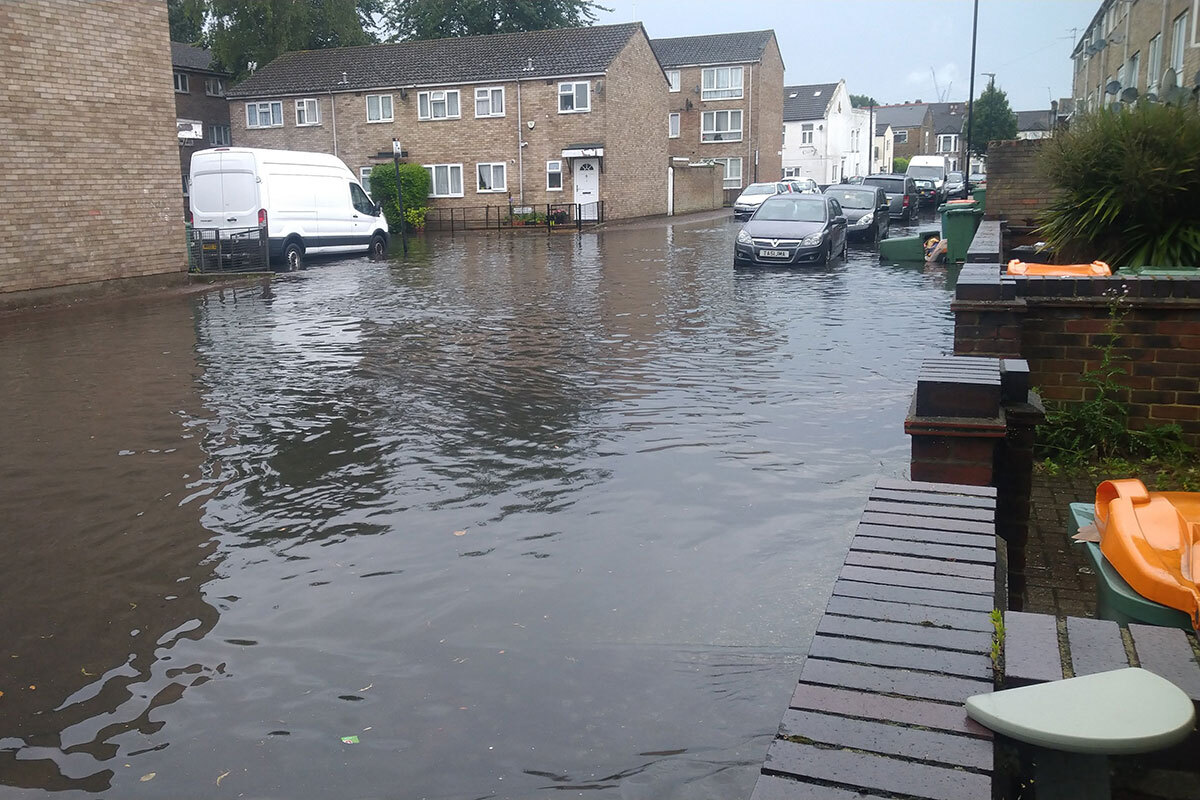
Do not enter standing water when sockets, wiring or electrical equipment may be affected. Damp conditions increase electrical risk, and damaged installations should be inspected by an appropriately competent person before being used.
The affected area should also be avoided where there is:
- Sewage or a drain backup.
- A strong chemical, fuel or foul smell.
- A sagging ceiling or signs of structural movement.
- Outside flood water carrying unknown contamination.
- Damaged gas or electrical equipment.
- An instruction from the emergency services not to enter.
Follow current UK Government guidance for returning to a property after flooding. Electrical information is available from the Health and Safety Executive.
Signs of Hidden Moisture and Mould
Flood water can travel under flooring, behind skirting boards and into plaster, insulation and timber. Possible warning signs include:
- A persistent musty smell.
- Localised condensation.
- Discoloured or crumbling plaster.
- Bubbling paint or wallpaper.
- Swollen or lifting flooring.
- Damp returning after the visible area has dried.
There is no reliable universal deadline for mould growth. The risk increases while materials remain damp and varies with temperature, ventilation and the affected material. Prompt water removal and controlled drying reduce the risk.
Damp and mould can affect health, particularly for people with respiratory conditions, allergies or weakened immune systems. See the Government guidance on damp and mould.
Moisture meters and thermal imaging
Moisture meters can assist with assessing particular materials when the readings are interpreted correctly and compared with suitable unaffected reference areas.
Thermal imaging shows differences in surface temperature. It can help identify areas requiring further investigation, but it does not measure moisture directly or prove that a material is wet or dry.
Need Flood-Cleaning Support?
Tell TrustedCare the postcode, where the water came from and which areas or materials have been affected.
What to Do Before Help Arrives
Only take the following steps when the property is safe to enter:
- Contact your insurer and report the incident promptly.
- Photograph the rooms, waterlines and damaged items.
- Record where the water came from and when it was discovered.
- Keep people and pets away from contaminated areas.
- Move unaffected possessions only when this can be done safely.
- Do not discard damaged items before speaking to the insurer unless retaining them creates a hazard.
- Do not switch affected electrical equipment back on.
- Do not direct household fans across sewage-contaminated materials.
The Association of British Insurers provides further UK information about flooding and insurance claims.
What Professional Flood Cleaners Do
The required process depends on the water source, affected materials and condition of the property. Work may include:
- Safety assessment: identifying electrical, structural and contamination hazards.
- Water extraction: removing accessible standing water with appropriate equipment.
- Contamination control: isolating affected areas and limiting transfer into clean rooms.
- Material assessment: identifying what can be cleaned, dried or may require removal.
- Cleaning and sanitisation: selecting processes for the water source and affected surfaces.
- Controlled drying: using suitable dehumidifiers and air-moving equipment.
- Monitoring: recording conditions and adjusting equipment as drying progresses.
- Completion assessment: comparing final readings with an appropriate agreed dry standard.
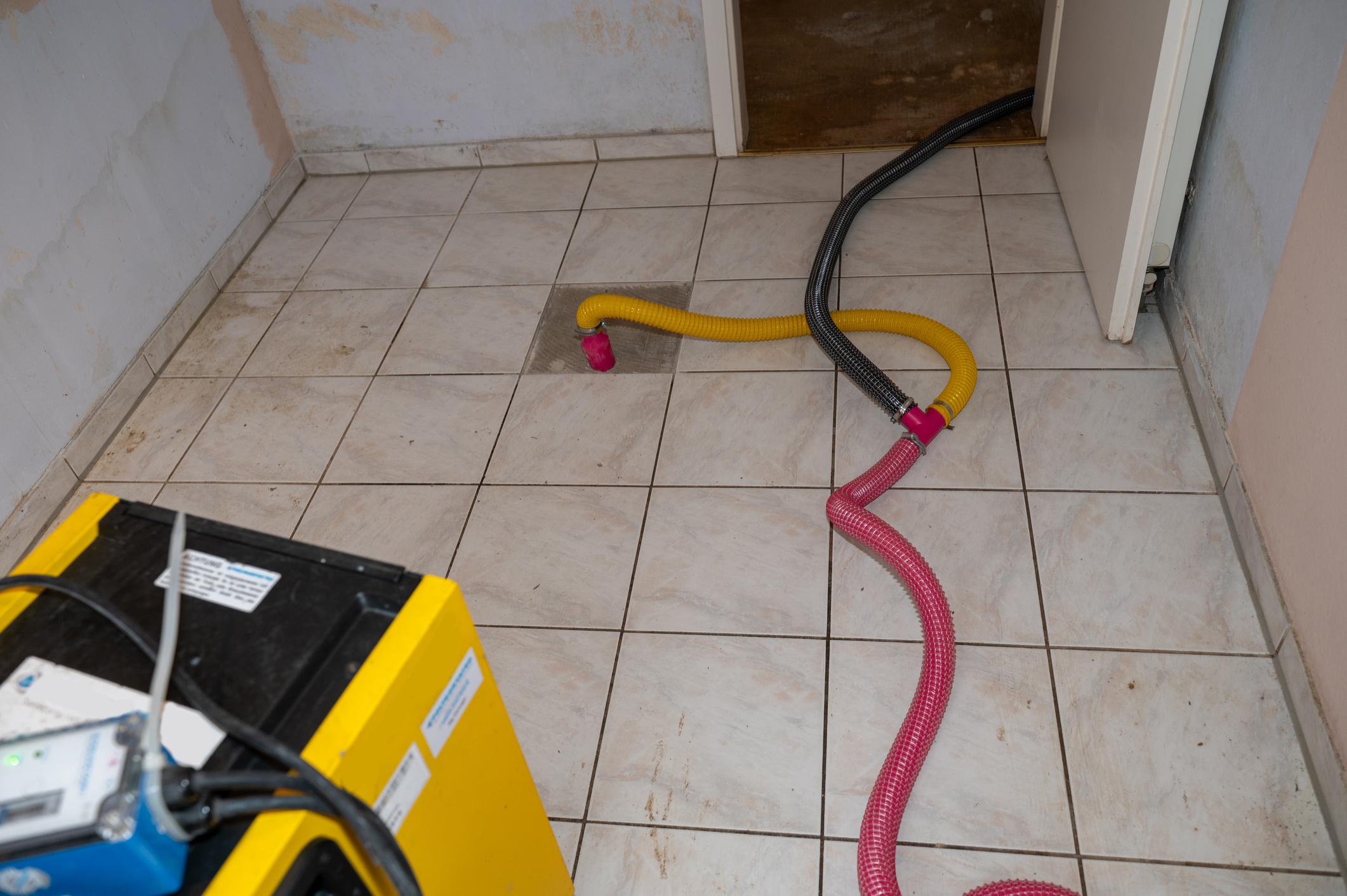
Drying is not complete simply because a surface feels dry. The contractor should explain the measurement method, the drying target and the evidence supporting completion.
Insurance and Completion Records
Keep the documents associated with the incident together. Useful records can include:
- Photographs and videos taken before cleaning.
- A written incident timeline.
- The contractor’s assessment and scope of work.
- Moisture and environmental readings.
- Equipment installation and removal dates.
- Invoices and recorded electricity use.
- Waste documentation where applicable.
- A written completion report.
- A Certificate of Sanitisation where appropriate and provided for contamination-cleaning work.
This can support the cleaning record where sanitisation or decontamination was included. It does not replace structural-drying evidence, moisture records or any required electrical or building-safety inspection.
Avoid relying on universal moisture percentages copied from the internet. Different meters, materials and construction types require different methods and suitable comparison readings.
Related UK Flood Guides
Frequently Asked Questions
When should professional cleaners be called after flooding?
Seek professional advice when water has affected porous materials, spread through several rooms, entered hidden spaces, come from sewage or outside flooding, or reached electrical equipment.
Can a small clean-water spill be dried without professional help?
A small recent spill on a hard surface may be manageable if the source has stopped and no water has entered flooring, walls or electrical equipment. Monitor the area and seek advice if damp or odour remains.
Does thermal imaging prove that a building is dry?
No. It shows surface-temperature differences and can guide further investigation. Appropriate moisture measurements are still required.
Should household fans be used after a sewage flood?
Do not direct ordinary fans across sewage-contaminated materials. This can spread contaminated droplets or particles into other areas.
How do I know when structural drying is complete?
Completion should be supported by recorded measurements, an appropriate drying target and assessment of the affected materials—not appearance alone.
What paperwork should be provided?
Documentation depends on the commissioned work but may include the scope, photographs, moisture readings, waste records, completion report and Certificate of Sanitisation where applicable.
Professional Flood Cleaning and Drying
For professional flood, sewage and structural-drying support, contact TrustedCare with the property postcode and details of what has happened.
