
Introduction
After a flooding incident, many occupants ask whether it is safe to remain in the property or return before cleaning and drying are complete. In the UK, living in a flood-damaged property can present serious health, safety, and legal risks, especially where contamination or structural damage is involved.
This guide explains when a property may be unsafe to occupy after flooding and what factors determine when it is safe to return.
When Is It Unsafe to Live in a Flooded Property?
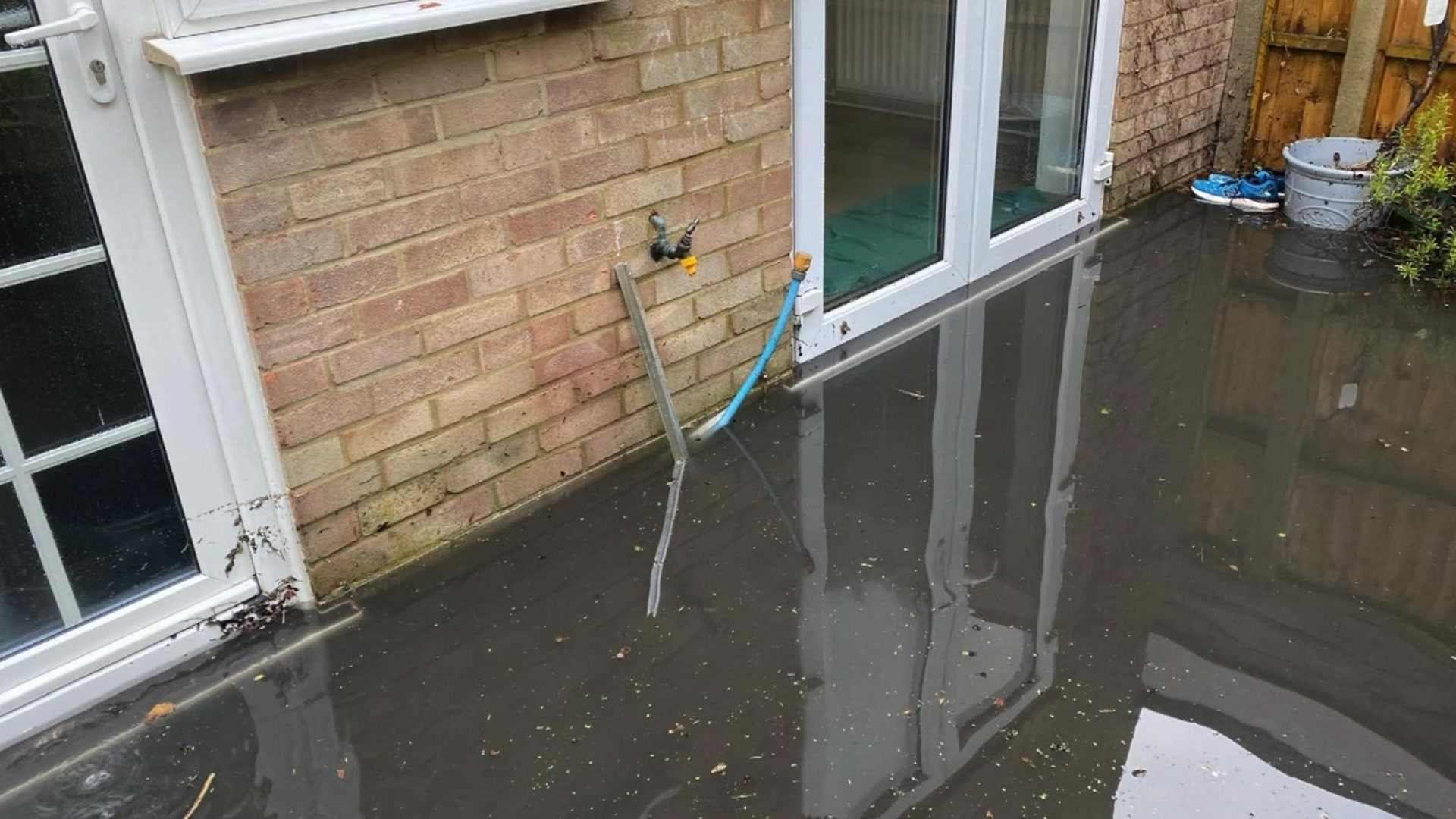
A property is generally unsafe to live in after flooding when:
- floodwater is contaminated (sewage, surface water, river flooding)
- electrical systems have been affected
- structural materials are saturated
- strong odours or visible contamination remain
In these situations, professional flood damage cleaning is essential before reoccupation.
Health Risks of Occupying a Flood-Damaged Property
Living in a flood-damaged property can expose occupants to:
- bacteria and viruses from contaminated water
- mould spores developing within days
- chemical residues left behind after water recedes
- poor indoor air quality
These risks are significantly higher for children, the elderly, and those with respiratory conditions.
Electrical and Structural Safety Concerns
Flooding can compromise:
- electrical wiring and sockets
- appliances and fuse boards
- floors, walls, and load-bearing materials
Using electrical systems before inspection can lead to electric shock or fire. Structural weakening may not be visible but can pose serious risks.
Legal and Housing Responsibilities
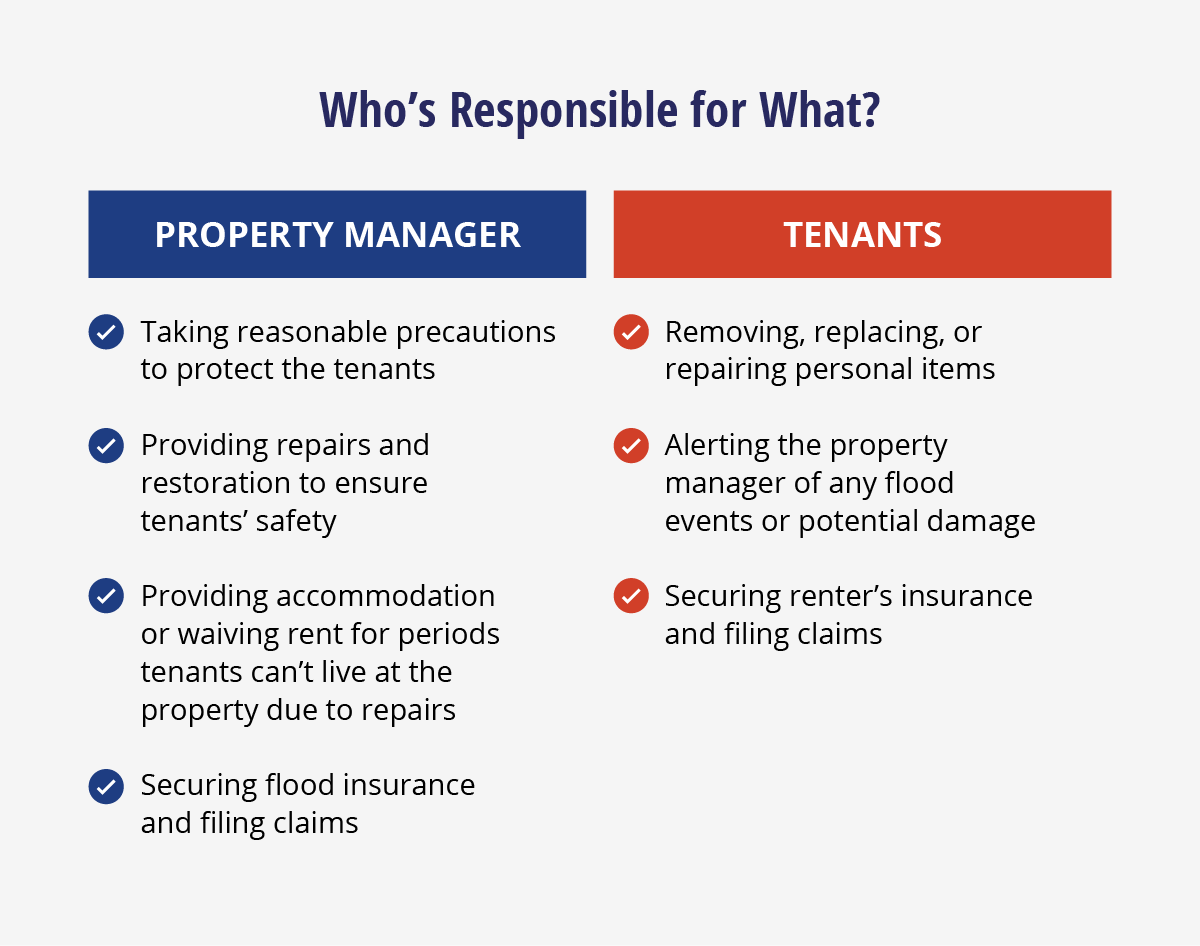
In rented or managed properties:
- landlords must provide safe accommodation
- housing associations and councils must meet safety standards
- tenants should not be pressured to return early
Occupying an unsafe property may breach housing regulations or insurance terms.
For a full explanation of flood recovery stages, responsibilities, and professional cleaning requirements, see our main guide on Flood Damage Cleaning in the UK: What It Is, When It’s Needed, and How Recovery Works.
Temporary Accommodation After Flooding

Temporary accommodation may be required when:
- cleaning and drying are ongoing
- contamination risks remain
- the property is structurally unsafe
Insurance policies often include alternative accommodation cover, but terms vary.
When Is It Safe to Re-Occupy a Flooded Property?
A property is usually safe to return when:
- contaminated materials have been removed
- flood damage cleaning is complete
- moisture readings are back to safe levels
- drying and ventilation have finished
- odours and visible contamination are gone
Professional assessments are often required to confirm this.
Why Flood Damage Cleaning Alone Is Not Enough
Cleaning removes contamination, but drying removes trapped moisture. Returning too early can result in:
- mould growth
- recurring damp
- long-term structural damage
- insurance disputes
Flood recovery must be completed fully before reoccupation.

TrustedCare Editorial Team publishes UK guidance on specialist cleaning and biohazard remediation, including after-death cleaning, flood restoration, and contamination control. Content is written for homeowners, landlords, housing providers, and facilities teams seeking clear, practical information.