4
Introduction
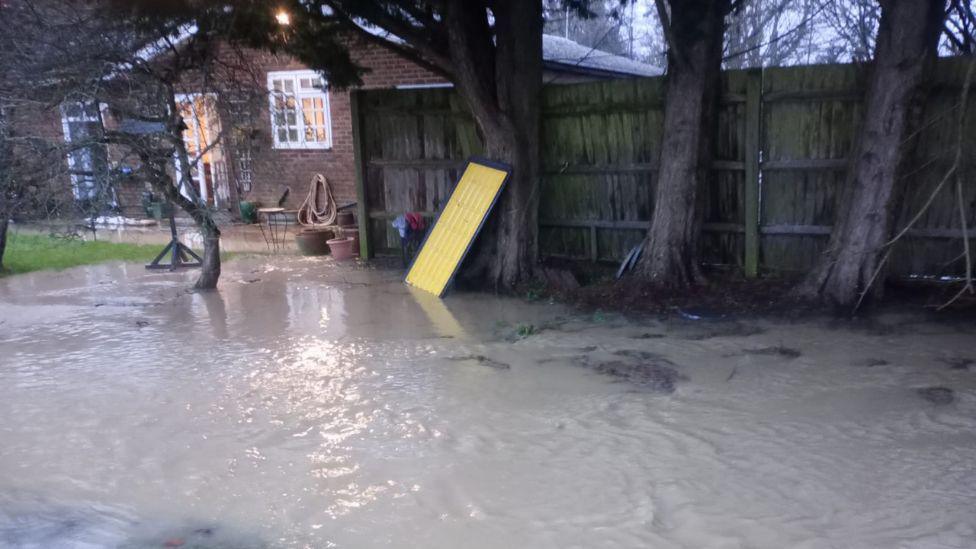
Not all flood damage is the same. One of the most important factors in flood damage cleaning is the type of water involved. In the UK, floodwater is generally classed as clean water, grey water, or sewage (black water), and each presents very different health risks and cleaning requirements.
This guide explains the difference between clean water and sewage flooding, why it matters, and how it affects flood damage cleaning, drying, and safety decisions.
What Is Clean Water Flooding?
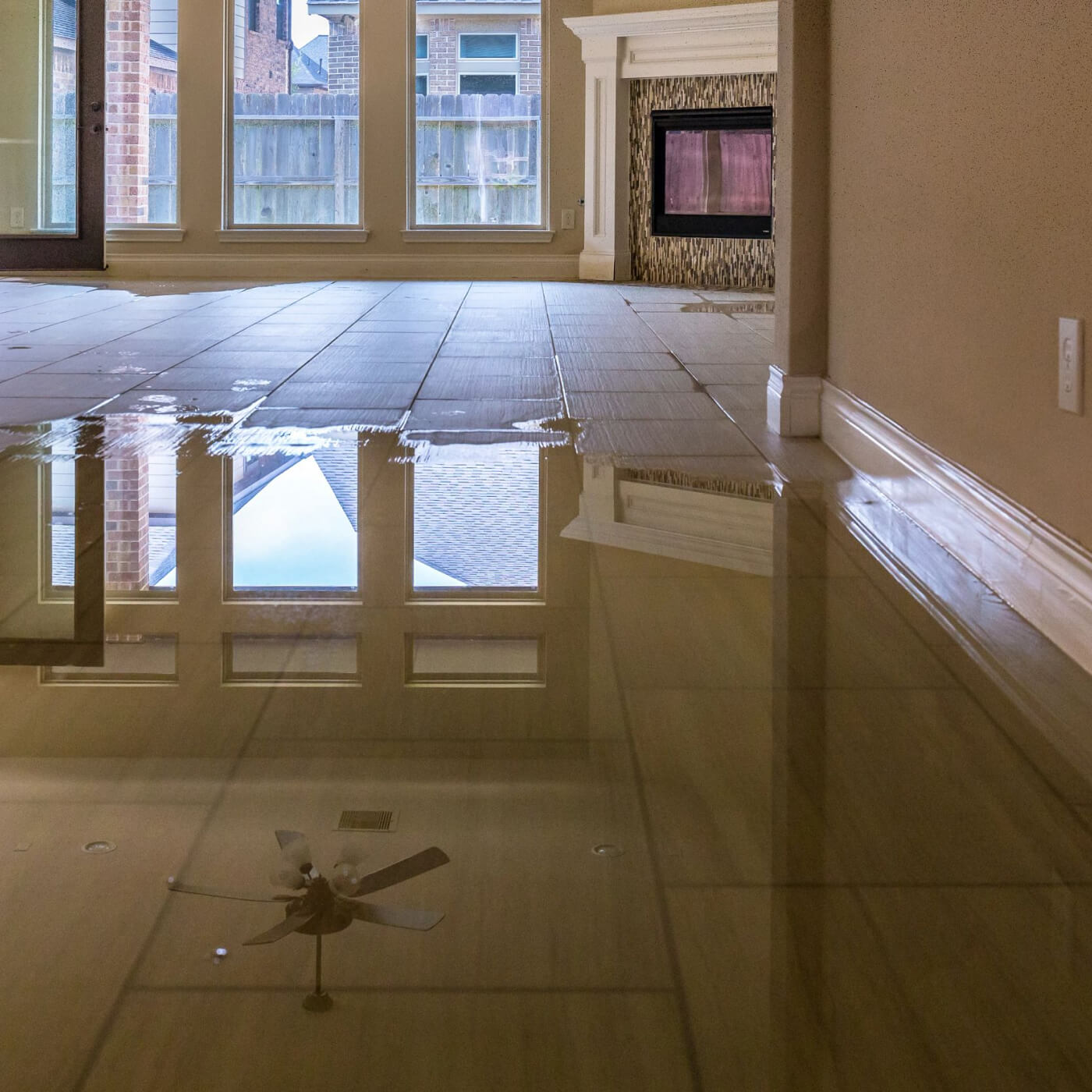
Clean water flooding usually comes from:
- burst pipes
- leaking water tanks
- plumbing supply failures
At the point of release, this water is not contaminated. However, once it comes into contact with floors, walls, or debris, it can quickly become unsafe.
Clean water floods still require professional drying and cleaning if materials are saturated.
What Is Grey Water Flooding?
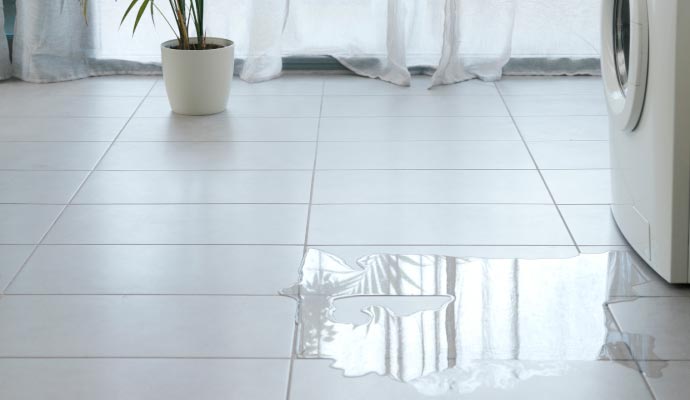
Grey water flooding comes from sources such as:
- washing machines
- dishwashers
- showers and baths
- sink overflows
Grey water may contain detergents, bacteria, and organic matter. It is considered moderately contaminated and usually requires deeper cleaning and disinfection than clean water floods.
The type of floodwater involved affects every stage of recovery, which is explained in detail in our main guide on Flood Damage Cleaning in the UK: What It Is, When It’s Needed, and How Recovery Works.
What Is Sewage (Black Water) Flooding?
Sewage flooding is the most serious type and can result from:
- blocked or collapsed drains
- sewer backflow
- river flooding
- surface water mixed with waste
Sewage-contaminated water contains:
- bacteria and viruses
- human and animal waste
- hazardous pathogens
This type of flooding is classified as a biohazard and must always be handled by professionals.
Why the Type of Floodwater Matters
The water category determines:
- health risks
- PPE requirements
- cleaning methods
- waste disposal rules
- insurance treatment
Using incorrect cleaning methods for contaminated floods can put occupants at serious risk.
How Floodwater Type Affects Cleaning and Drying
- Clean water floods may allow salvage of some materials if treated quickly
- Grey water floods often require removal of carpets and soft furnishings
- Sewage floods usually require full removal of contaminated materials and deep sanitisation
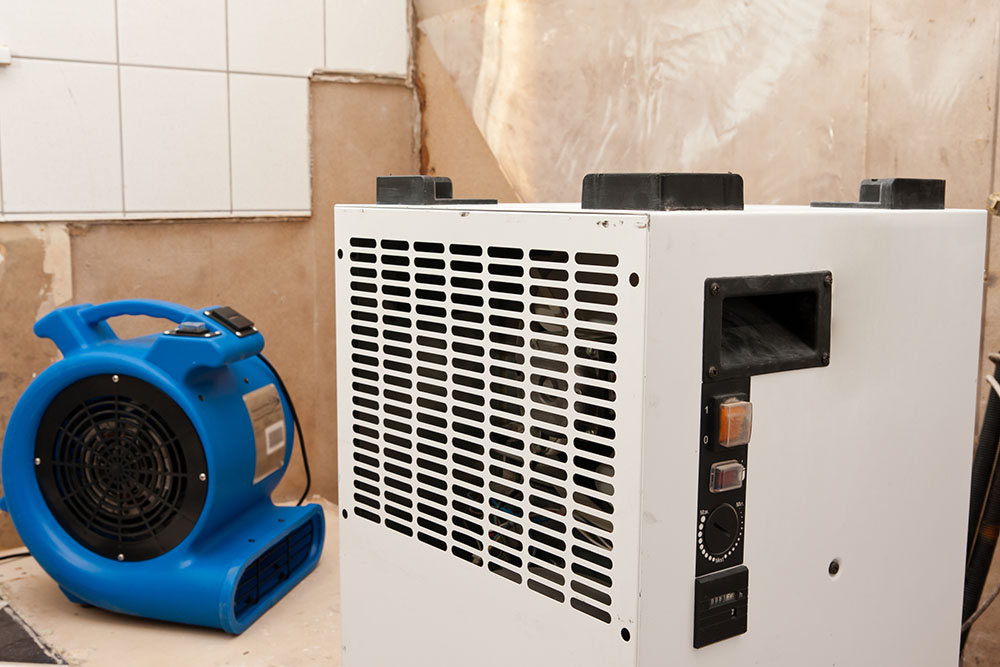
Drying is always required, but contaminated floods involve stricter controls.
Can You Clean Sewage Flooding Yourself?
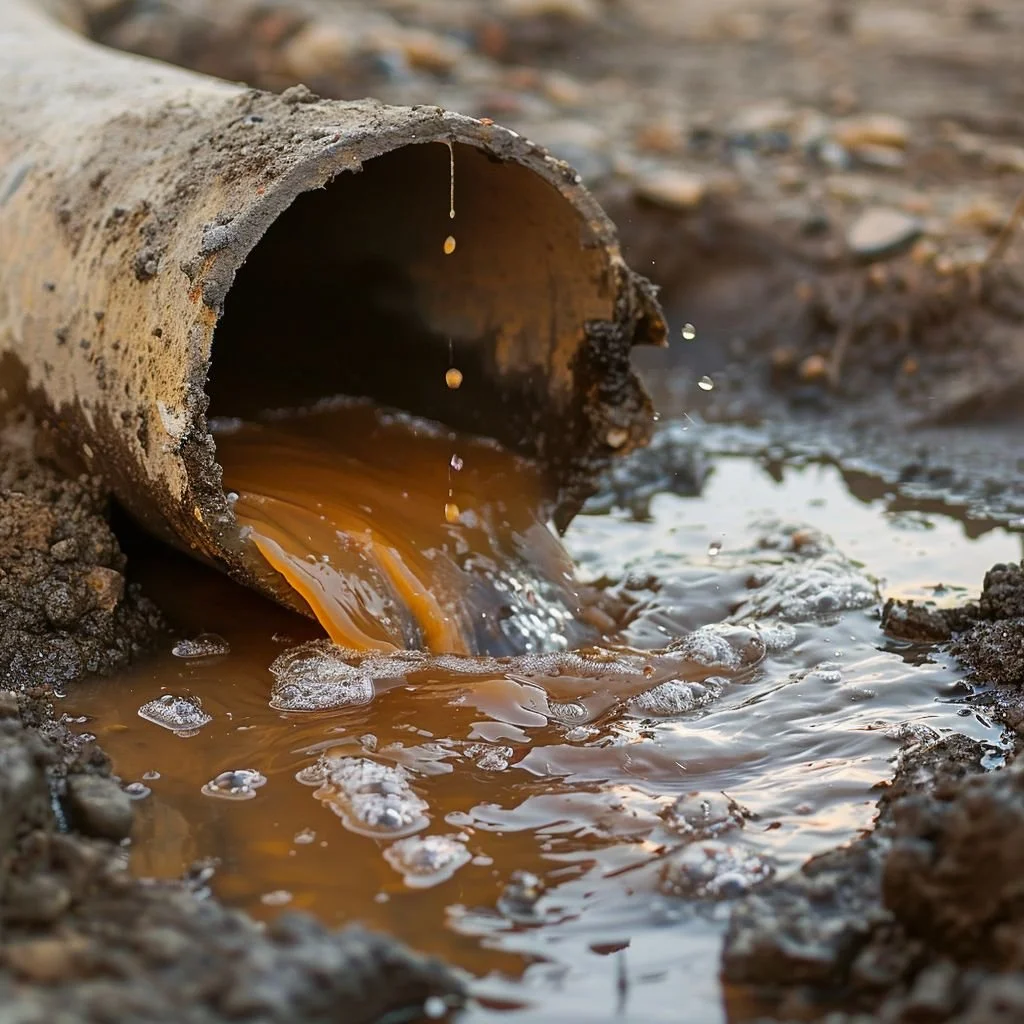
No. DIY cleaning of sewage flooding can result in:
- serious illness
- infection
- long-term health effects
- insurance claim rejection
Professional flood damage cleaning ensures contamination is fully removed and documented.
Insurance Considerations for Different Flood Types
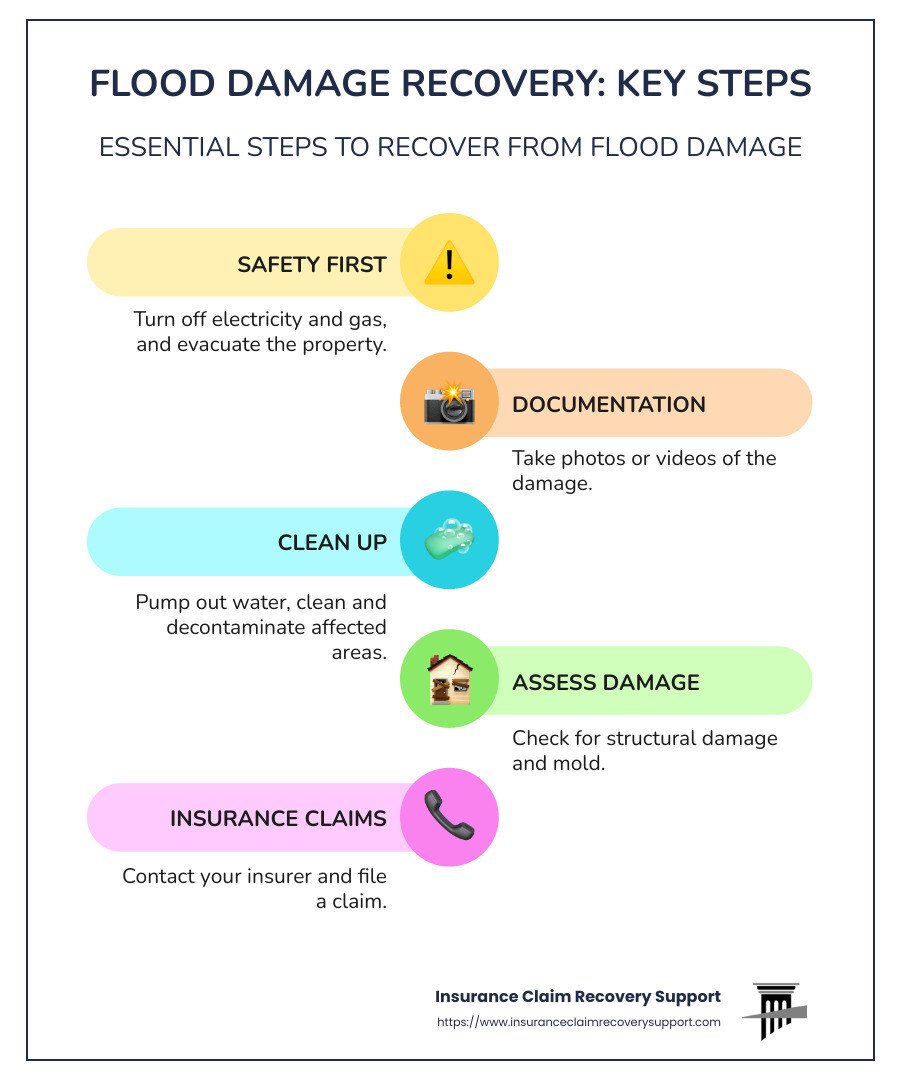
Insurance policies often:
- treat sewage flooding differently
- require professional remediation
- exclude DIY cleanup for contaminated water
Correct classification of floodwater is essential for successful claims.

TrustedCare Editorial Team publishes UK guidance on specialist cleaning and biohazard remediation, including after-death cleaning, flood restoration, and contamination control. Content is written for homeowners, landlords, housing providers, and facilities teams seeking clear, practical information.