In the UK, hoarding does not automatically result in council involvement. However, local authorities may intervene when hoarding creates risks to health, safety, or neighbouring properties.
This guide explains when councils become involved in hoarding cases, what usually triggers action, and what typically happens next. If a property has already become unsafe, professional specialist cleaning and property restoration support may help reduce the risk and prevent further escalation.
If urgent property support is needed, TrustedCare’s specialist cleaning services page explains the types of situations where professional intervention may help.
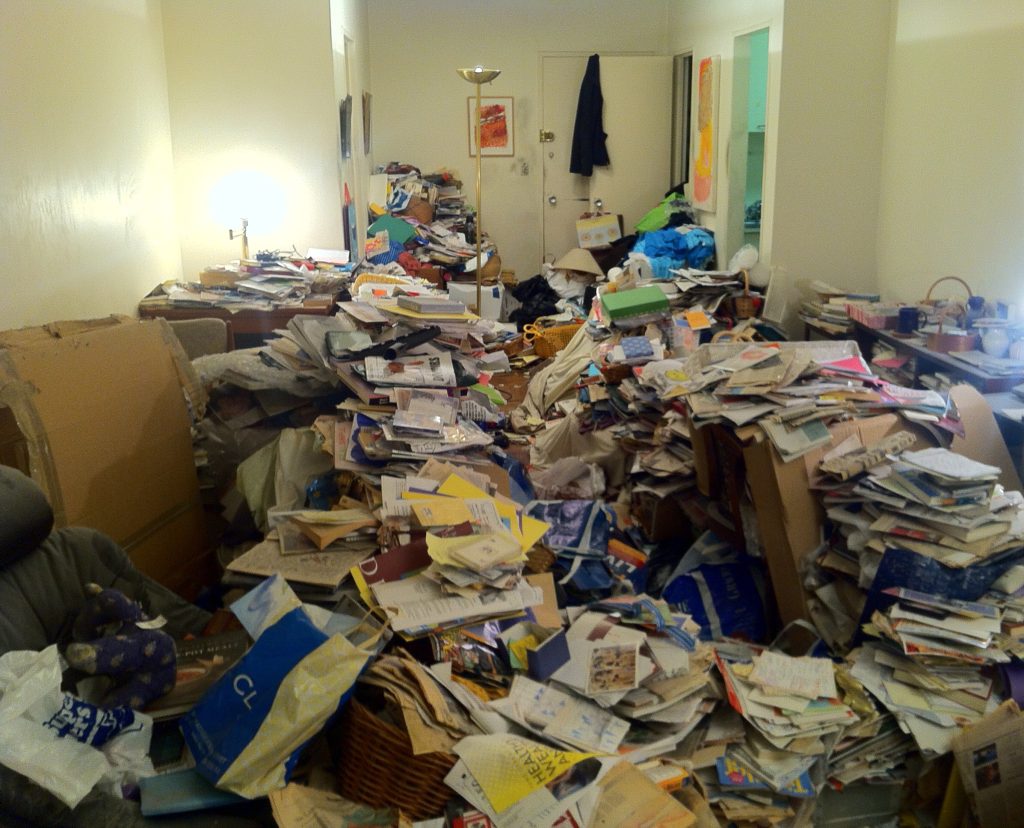
Is Hoarding Illegal in the UK?
Hoarding itself is not illegal. Many people live with clutter without any council involvement.
Action is more likely when the condition of the property:
- poses a risk to the occupant
- affects neighbours or shared areas
- breaches housing, hygiene, or safety standards
When Might the Council Get Involved?
Council involvement becomes more likely when reports or inspections show:
- strong odours
- pest activity
- fire risks
- blocked exits or dangerous access
- complaints from neighbours
- risk to children or vulnerable adults
These situations can raise public health, safeguarding, or housing concerns.
The Role of Environmental Health
Environmental Health officers may become involved where hoarding creates sanitation or safety risks. Their role is usually to inspect the property, assess hygiene and fire concerns, issue guidance, and request remedial action where needed.
In most cases, the focus is on reducing risk rather than punishing the occupier.
Housing Teams and Social Services
In some cases, councils may involve:
- housing officers
- adult social care
- safeguarding teams
- support workers or tenancy teams
This is more likely where the person living in the property needs practical support rather than enforcement alone. Social housing cases may also be handled differently from private homes or private rented properties. You can read more here: Hoarders Cleaning in Social Housing: What Happens, Who Is Involved, and What to Expect.
What Powers Do Councils Have?
Depending on severity, councils may:
- issue informal notices
- set deadlines for improvement
- restrict use of unsafe areas
- take enforcement action in extreme cases
Most situations are resolved without formal enforcement once action begins and the risks start being addressed.
Can the Council Arrange Hoarders Cleaning?
In limited circumstances, councils may help coordinate cleaning or involve support services. However, councils do not usually pay for hoarders cleaning unless there are exceptional safeguarding reasons or a wider statutory duty applies.
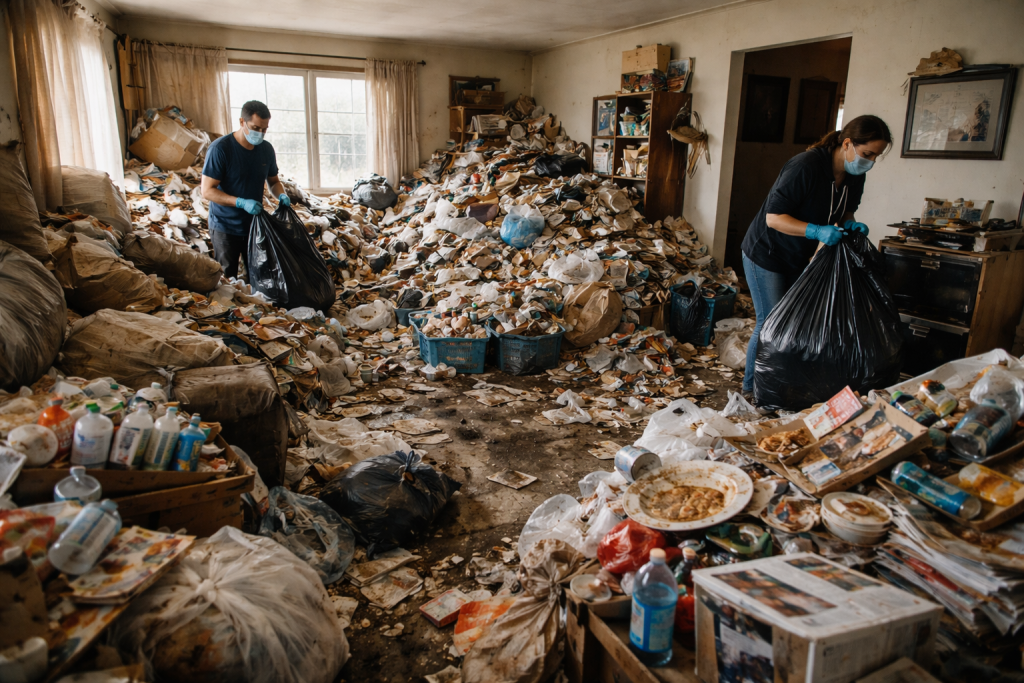
How Professional Cleaning Can Prevent Escalation
Early professional hoarders cleaning can often:
- reduce health and hygiene risks
- address complaints more quickly
- demonstrate cooperation to landlords or councils
- help prevent formal notices or more serious action
Where the property condition has gone beyond ordinary cleaning, professional help is often the fastest way to bring the situation back under control.
What If a Complaint Has Already Been Made?
If a complaint has already been raised, the best next step is usually to engage with the council promptly, follow any guidance given, and arrange cleaning or remedial work where required.
Cooperation normally leads to a smoother outcome than delay or avoidance.
Related Hoarding Guides
- Hoarders Cleaning in Social Housing
- Safeguarding Concerns and Hoarding in the UK
- What Happens When Hoarding Affects Neighbours?
- Who Pays for Hoarders Cleaning in the UK?
- Is Hoarding a Mental Health Issue?
- Can a Property Be Condemned Due to Hoarding?
Need Professional Hoarding Cleaning Services?
Local authorities may become involved where hoarding creates significant concerns relating to safety, public health, safeguarding, property condition or neighbouring residents. The level of involvement will depend on the circumstances of each case.
TrustedCare Hoarding Cleaning Services UK provides specialist cleaning, clearance and restoration services for private properties, social housing, housing associations and managed accommodation throughout the UK.
- Severe Hoarding Cleaning UK
- Hoarding Cleaning for Housing Associations UK
- Hoarding Biohazard Cleaning UK
- Hoarding Cleaning Services UK
When Might Councils Become Involved?
Council involvement may occur when hoarding affects health and safety, causes concerns for neighbouring properties, creates fire risks, impacts vulnerable individuals or results in environmental health issues.
Every situation is assessed on its own circumstances, and different departments or agencies may become involved depending on the nature of the concerns.
Final Thoughts
Hoarding cases can involve a range of organisations including councils, housing providers, support services and cleaning specialists. Understanding their respective roles can help property owners, families and tenants navigate the situation more effectively.

TrustedCare Editorial Team publishes UK guidance on specialist cleaning and biohazard remediation, including after-death cleaning, flood restoration, and contamination control. Content is written for homeowners, landlords, housing providers, and facilities teams seeking clear, practical information.