
4
Introduction
After a flooding incident, many property owners consider whether they can handle flood damage cleaning themselves. While small clean-water leaks may seem manageable, DIY flood damage cleaning carries serious risks, particularly where contamination, moisture, or structural damage is involved.
This guide explains the differences between DIY and professional flood damage cleaning in the UK, the risks involved, and when professional services are essential.
When DIY Flood Cleaning Might Seem Possible
DIY flood cleaning is often considered when:
- flooding appears minor
- water comes from a clean source
- damage looks limited to visible surfaces
In reality, even clean water can penetrate flooring, walls, and insulation, creating hidden problems that are easy to miss without specialist equipment.
Hidden Risks of DIY Flood Damage Cleaning

The biggest DIY risks include:
- trapped moisture behind walls and under floors
- delayed mould growth
- lingering odours
- weakened structural materials
These issues often appear weeks or months after the initial cleanup.
Health Risks of Cleaning Flood Damage Yourself

DIY flood cleaning can expose occupants to:
- bacteria and viruses
- sewage contamination
- chemical residues
- airborne mould spores
Without proper PPE and disinfection methods, this can lead to illness or long-term respiratory problems.
Why Professional Flood Damage Cleaning Is Different
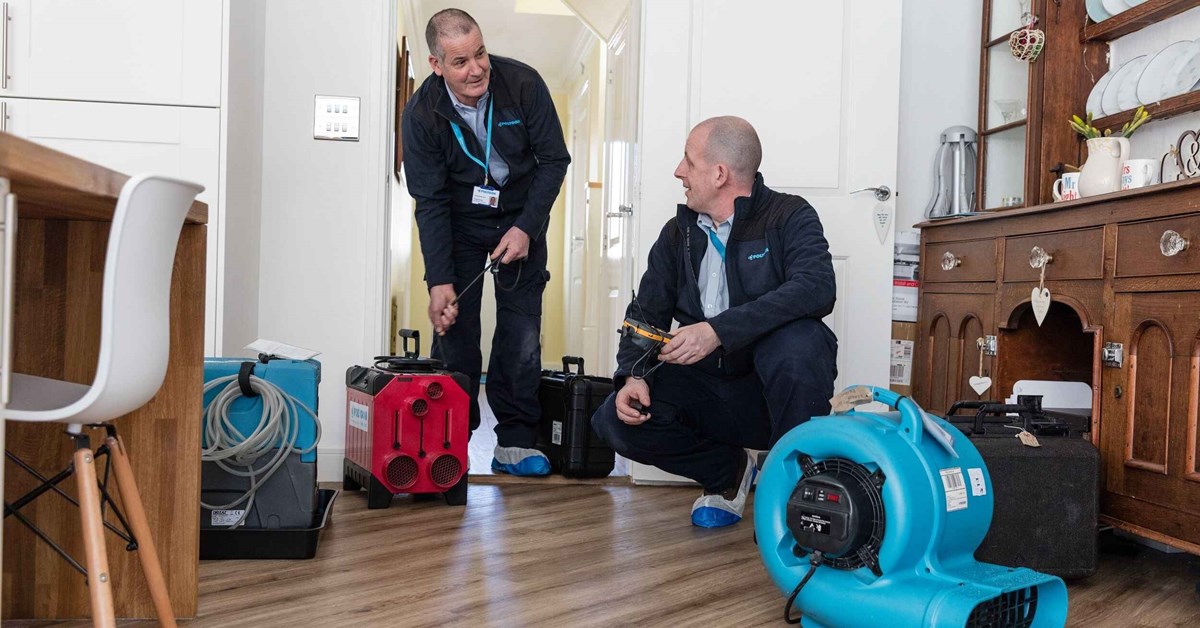
Professional flood damage cleaning involves:
- contamination assessment
- controlled removal of damaged materials
- specialist sanitisation
- moisture detection and monitoring
- preparation for drying and restoration
Professionals identify issues that DIY cleaning often misses.
Insurance Implications of DIY Flood Cleaning

Many UK insurers:
- expect professional remediation for contaminated flooding
- require documentation and reports
- may reject claims if DIY cleanup causes secondary damage
Attempting DIY cleaning can reduce or invalidate insurance cover.
When Professional Flood Cleaning Is Essential
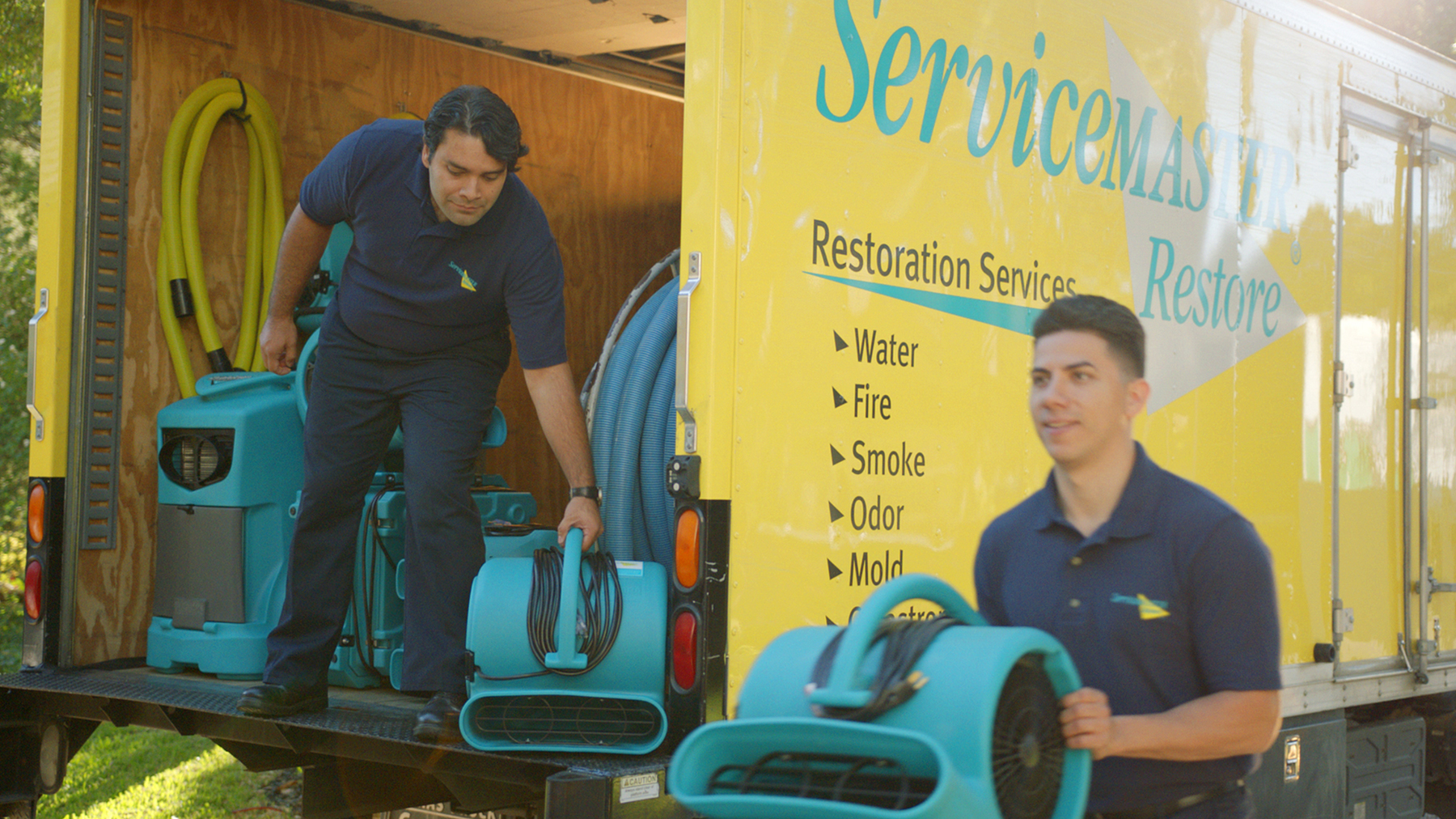
Professional services should always be used when:
- water is contaminated or sewage-related
- multiple rooms are affected
- electrical systems are involved
- drying equipment is required
In these cases, DIY cleaning is unsafe and ineffective.
The risks and recovery stages involved in flood damage are covered in more detail in our main guide on Flood Damage Cleaning in the UK: What It Is, When It’s Needed, and How Recovery Works.
DIY vs Professional Flood Cleaning – A Comparison
DIY cleaning may remove surface water, but professional cleaning:
- addresses hidden moisture
- reduces mould risk
- protects health
- supports insurance claims
The long-term cost of DIY mistakes often exceeds professional fees.

TrustedCare Editorial Team publishes UK guidance on specialist cleaning and biohazard remediation, including after-death cleaning, flood restoration, and contamination control. Content is written for homeowners, landlords, housing providers, and facilities teams seeking clear, practical information.