4
Introduction
One of the first questions people ask after a flood is how long flood damage cleaning will take. The answer depends on several factors, including the type of water involved, how long it remained in the property, and whether drying and restoration are required.
This guide explains typical flood damage cleaning timescales in the UK and what can speed things up—or slow them down.
How Long Does Flood Damage Cleaning Usually Take?
In most UK properties, initial flood damage cleaning takes between:
- 1–2 days for minor clean water incidents
- 3–5 days for contaminated or sewage-affected floods
- 1–3 weeks when professional drying is required
- Several weeks if structural repairs are needed
Cleaning is often only the first phase, followed by drying, deodorisation, and restoration.
Factors That Affect Flood Cleaning Timescales
1. Type of Water Involved
Floodwater is classified into three categories:
- Clean water (burst pipes, supply leaks)
- Grey water (washing machines, appliances)
- Black water (sewage, river flooding, surface water)
Sewage and river floods require longer cleaning times due to contamination and safety controls.
2. How Long the Water Was Left Standing
The longer water sits:
- the deeper it penetrates floors and walls
- the higher the contamination risk
- the longer drying will take
Water left for more than 24–48 hours usually increases the overall timeline significantly.
3. Size and Type of Property
A one-bedroom flat can often be cleaned and dried much faster than:
- large family homes
- HMOs
- commercial buildings
- basements or ground-floor retail units
Commercial flood damage cleaning often takes longer due to access, equipment scale, and safety regulations.
4. Materials Affected
Some materials dry quickly, others don’t:
- Carpets and underlay often need removal
- Solid floors may need prolonged drying
- Plasterboard usually requires replacement
- Timber structures can trap moisture
Hidden moisture is a major cause of delays if not handled correctly.
5. Drying and Dehumidification Requirements
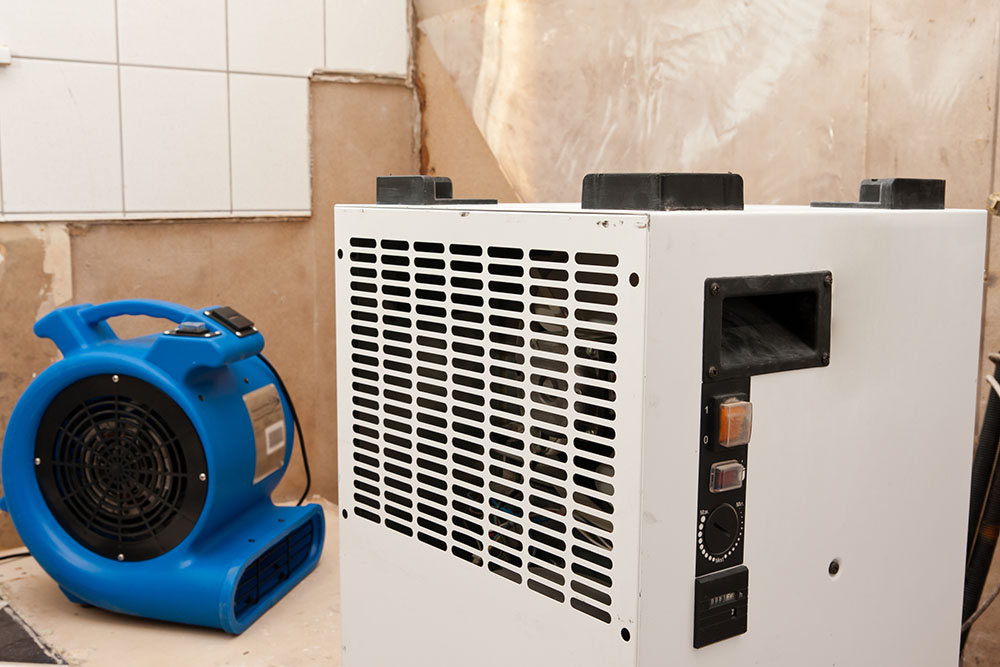
Drying is often the longest phase of flood recovery.
Professional drying typically takes:
- 5–10 days for minor cases
- 2–4 weeks for severe flooding
Skipping or rushing drying can cause mould, odours, and structural issues later.
For a full overview of flood recovery stages, see our main guide on Flood Damage Cleaning in the UK: What It Is, When It’s Needed, and How Recovery Works.
Can Flood Damage Cleaning Be Rushed?
Not safely.
Attempting to speed up flood cleaning without proper drying and monitoring can lead to:
- recurring damp
- mould growth
- insurance claim disputes
- long-term damage
Professional flood restoration focuses on doing it right the first time, not just fast.
When Is a Property Safe to Re-Occupy?
A property is usually safe when:
- contaminated materials are removed
- moisture readings are back to safe levels
- odours are eliminated
- surfaces are disinfected
This varies by case and must be assessed professionally.
FAQs
How long does flood damage drying take?
Drying can take 3–7 days for minor flooding and 1–3 weeks for severe cases depending on structure and contamination.
Can I speed up flood drying myself?
Domestic fans rarely remove hidden moisture. Professional dehumidifiers are often required.
Does sewage flooding take longer to clean?
Yes. Contaminated water increases cleaning, sanitisation, and drying time.

TrustedCare Editorial Team publishes UK guidance on specialist cleaning and biohazard remediation, including after-death cleaning, flood restoration, and contamination control. Content is written for homeowners, landlords, housing providers, and facilities teams seeking clear, practical information.