
Introduction
Mould growth is one of the most common and costly consequences of flood damage. In the UK, mould can begin forming within 24–48 hours after water exposure if drying is not completed properly.
This guide explains how mould develops after flooding, how to prevent it, and when professional intervention is necessary.
For a full overview of the flood recovery process, see our main guide on
👉 Flood Damage Cleaning in the UK: What It Is, When It’s Needed, and How Recovery Works
Why Mould Forms After Flooding

Mould develops when:
- Moisture remains trapped in walls or floors
- Ventilation is poor
- Organic materials remain damp
- Drying is incomplete
Floodwater soaks into plasterboard, timber, insulation, and subfloors — areas that may appear dry on the surface but remain damp internally.
How Quickly Can Mould Develop?

Mould can begin forming within:
- 24–48 hours in warm conditions
- 3–5 days in cooler environments
Once established, spores spread quickly through air circulation.
This is why rapid drying after flood damage is critical.
Signs of Mould Developing After Flood Damage
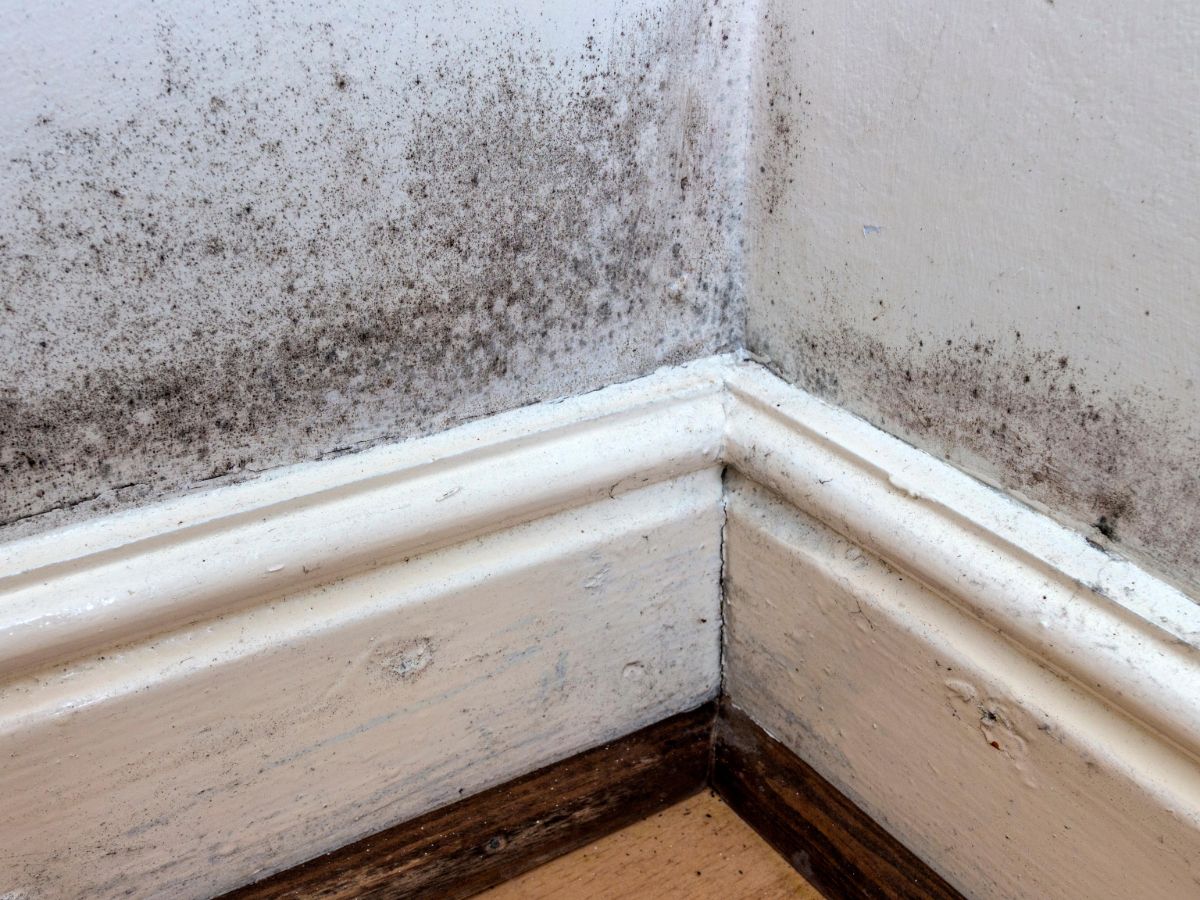
Look for:
- Musty odours
- Dark spotting on walls or ceilings
- Damp skirting boards
- Discolouration behind furniture
- Increased condensation
Early signs should never be ignored.
How to Prevent Mould After Flood Damage

To reduce mould risk:
- Remove standing water immediately
- Extract saturated materials where necessary
- Use professional drying equipment
- Monitor moisture levels with proper tools
- Ensure adequate ventilation
Surface drying alone is not sufficient.
For drying timelines, read:
👉 How Long Does Flood Damage Cleaning Take? Timescales and What Affects Them
When Professional Mould Remediation Is Required
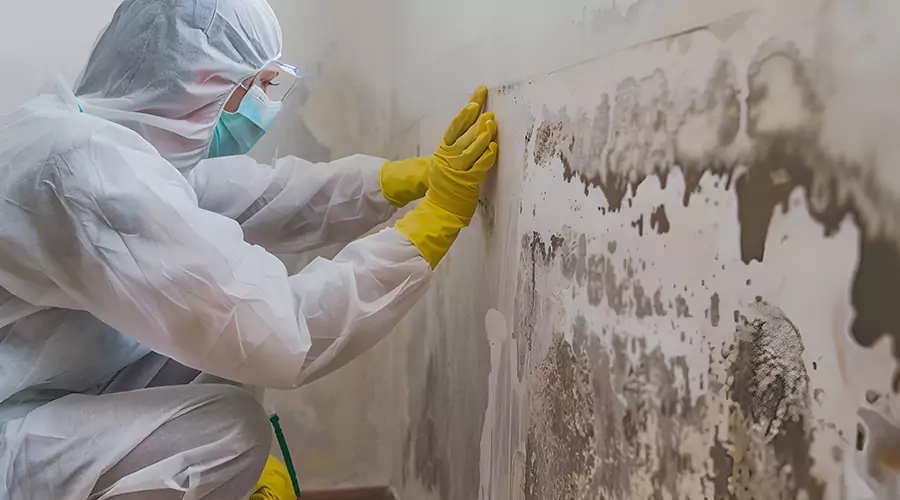
Professional remediation is required when:
- Mould covers large areas
- Spores have spread through ventilation
- Structural materials are affected
- Occupants have respiratory conditions
DIY removal often spreads spores further.
Health Risks of Mould After Flood Damage
Exposure can cause:
- Respiratory irritation
- Asthma flare-ups
- Allergic reactions
- Persistent coughing
Children, elderly people, and those with asthma are most vulnerable.
Conclusion
Preventing mould after flood damage depends on fast action, proper drying, and professional assessment. Flood damage cleaning is only the first stage — thorough drying and moisture monitoring are what stop mould from developing later.
For the complete flood recovery process, see:
👉 Flood Damage Cleaning in the UK: What It Is, When It’s Needed, and How Recovery Works
Preventing mould is mainly about controlling moisture, improving airflow, and dealing with small problems before they spread. Mould usually grows when a property stays damp for too long, especially around leaks, condensation, poor ventilation, or flood-related moisture. The aim is not just to wipe mould away, but to stop the conditions that let it return. TrustedCare’s wider property guidance explains why persistent moisture and delayed action can turn a minor issue into a bigger health and safety problem. See Why Timing Matters in Property Issues and When a Property Issue Becomes an Emergency (And When It Doesn’t).
Questions and Answers.
Q: What is the best way to prevent mould?
A: Keep moisture under control. That means fixing leaks quickly, drying damp areas properly, using extractor fans where needed, and making sure the property has enough ventilation. Small water issues that are ignored often create the right conditions for mould growth.
Q: Is wiping visible mould enough?
A: No. Cleaning the surface may improve the appearance for a while, but if the underlying cause is still there, the mould often comes back. TrustedCare notes that treating visible mould without identifying the moisture source can lead to the wrong fix.
Q: What property issues commonly lead to mould?
A: Leaks, condensation, flood damage, poor airflow, and ongoing damp are common causes. After water ingress, quick drying matters because delay can lead to secondary issues like mould growth. TrustedCare’s main service overview also links flood damage with mould risk.
Q: When should someone get help?
A: If mould keeps returning, covers a larger area, follows a leak or flood, or is affecting health, it is worth getting proper advice. You can also review Specialist Cleaning Costs UK or contact TrustedCare directly through the contact page

TrustedCare Editorial Team publishes UK guidance on specialist cleaning and biohazard remediation, including after-death cleaning, flood restoration, and contamination control. Content is written for homeowners, landlords, housing providers, and facilities teams seeking clear, practical information.