Trauma scene cleaning in the UK is specialist cleaning carried out after serious incidents where blood, bodily fluids, or biological contamination may be present. These situations can arise after accidents, sudden deaths, assaults, suicides, medical emergencies, or other distressing events inside a property.
It is not standard domestic cleaning. In many cases, trauma scene cleaning involves contamination risks, controlled waste handling, disinfection, and the safe removal of affected materials that cannot be cleaned in the normal way.
This guide explains what trauma scene cleaning involves, when it is usually required, and why specialist support matters.
What Is Trauma Scene Cleaning?
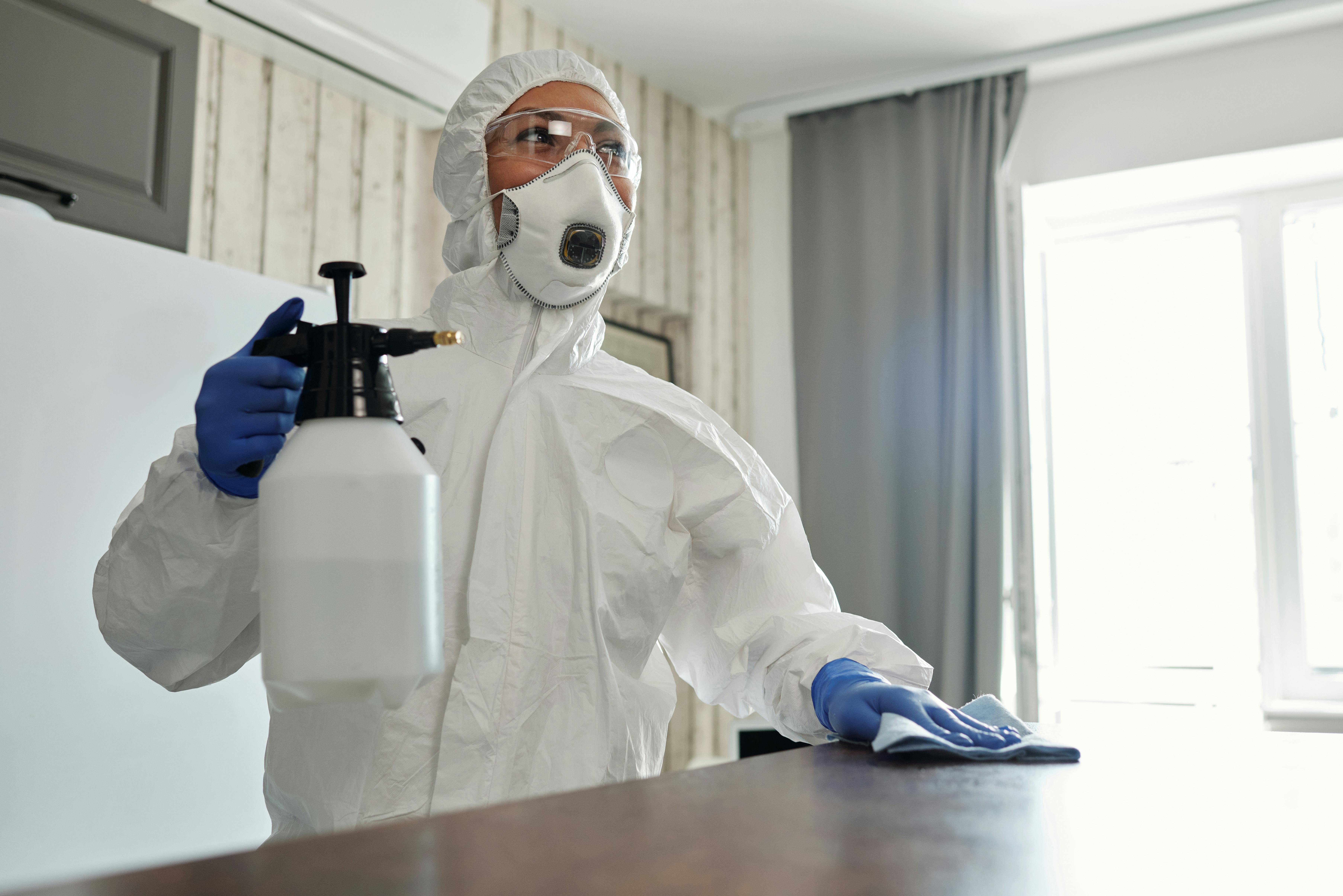
Trauma scene cleaning is the professional cleanup and decontamination of an area affected by a traumatic incident. The work may involve blood cleanup, bodily fluid decontamination, odour treatment, removal of contaminated contents, and disinfection of the affected space.
The exact process depends on what happened, how large the affected area is, and whether contamination has spread into soft furnishings, flooring, or structural materials.
For a wider overview of biological contamination work, see our guide to Biohazard Cleaning UK.
When Is Trauma Scene Cleaning Needed?
Trauma scene cleaning is usually needed after incidents where there is visible contamination or a risk that biological material has affected the property.
Common examples include:
- serious accidents in the home
- violent incidents
- sudden deaths
- suicides
- medical emergencies involving blood loss
- incidents where bodily fluids are present
Some incidents affect only a small part of one room. Others can involve several surfaces, adjacent rooms, hallways, furniture, or flooring materials.
Why Trauma Scene Cleaning Is Not Ordinary Cleaning
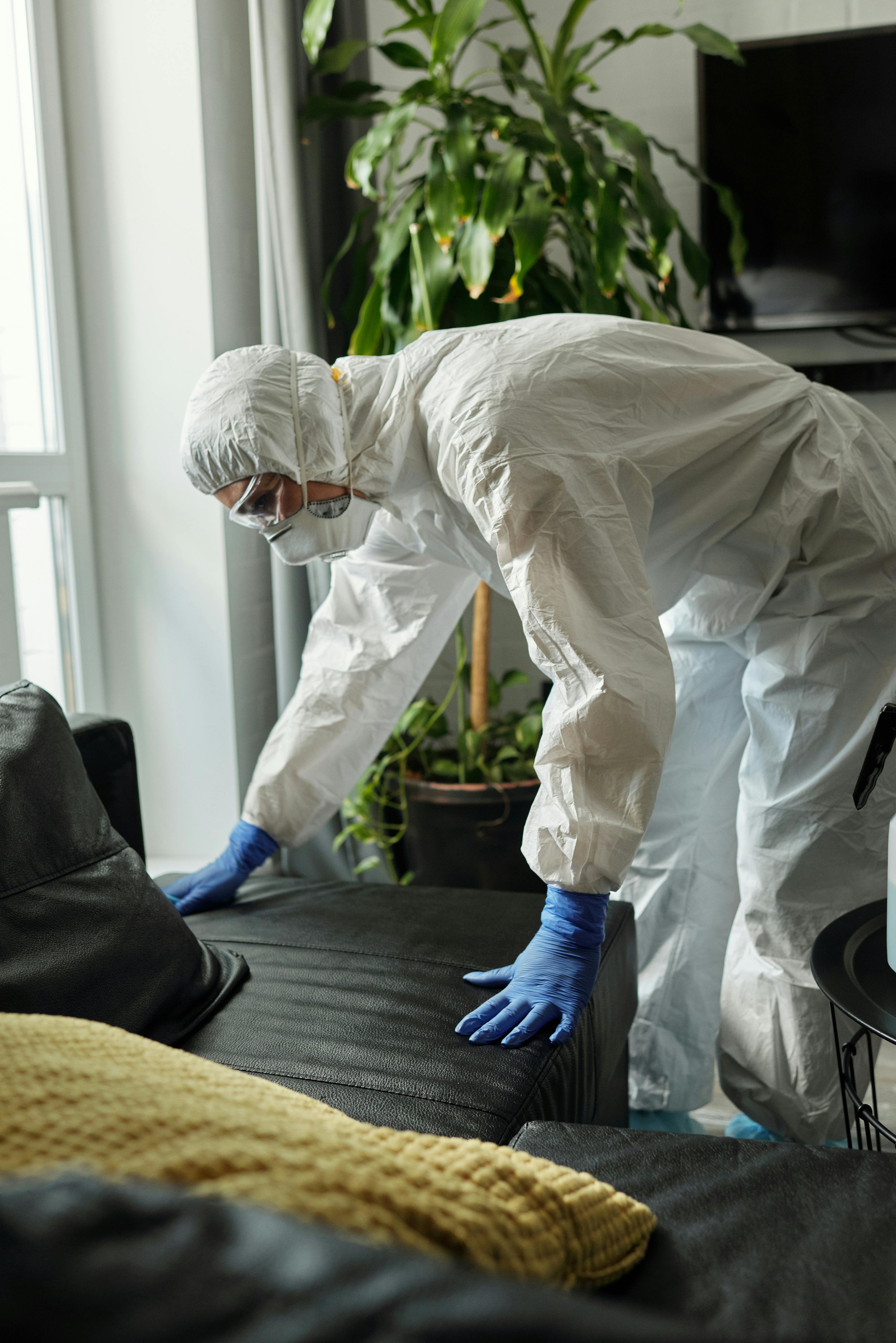
After a traumatic incident, the issue is not only what can be seen. Blood and bodily fluids can penetrate carpets, underlay, mattresses, grout lines, upholstery, and other porous materials. Even where the visible area looks limited, contamination may be wider than expected.
That is why trauma scene cleaning focuses on safety, decontamination, and correct waste handling rather than appearance alone.
Normal household cleaning products are not designed for this type of remediation, and affected items may sometimes need to be removed rather than cleaned.
What Happens During Trauma Scene Cleaning?
Each case is different, but trauma scene cleaning usually follows a structured process.
1. Site assessment
The affected area is reviewed to understand the level of contamination, what materials are involved, and whether any items need removal.
2. PPE and safety controls
Protective equipment and controlled working methods are used to reduce risk and prevent contamination spreading further.
3. Removal of contaminated materials
Where carpets, furnishings, bedding, or other materials cannot be safely restored, they may need to be removed for compliant disposal.
4. Cleaning and disinfection
The area is treated using suitable disinfectants and specialist cleaning methods.
5. Waste handling
Contaminated waste must be separated, bagged, and disposed of correctly rather than placed in general household waste.
6. Final review
The treated area is checked so the property can move to the next stage, whether that is reoccupation, repair work, or further restoration.

Who May Need Trauma Scene Cleaning?
Trauma scene cleaning may be needed by families, landlords, letting agents, housing associations, care providers, commercial occupiers, and property managers.
In many cases, people seek help not because the area is large, but because the incident is emotionally difficult and clearly outside the scope of normal cleaning.
Trauma Scene Cleaning After a Death in a Property
Where a death has occurred inside a home or rented property, trauma scene cleaning may form part of a wider after death cleaning process. Depending on the circumstances, the work can involve blood cleanup, bodily fluid contamination, odour control, removal of affected furnishings, and deeper structural cleaning.
Where a person was not discovered immediately, the work may become more complex and move into broader biohazard remediation.
For related pricing information, read After Death Cleaning Cost UK.
Can a Room Be Restored After Trauma Scene Cleaning?
Sometimes yes. Sometimes removal work is needed first. Hard surfaces are often easier to disinfect and retain. Carpets, mattresses, upholstered furniture, and absorbent building materials are more difficult where contamination has penetrated deeply.
The answer depends on the incident, how quickly the area was accessed, and what materials were affected.
What Affects the Cost of Trauma Scene Cleaning?
Costs usually depend on:
- the size of the affected area
- the amount of blood or bodily fluid present
- the type of surfaces involved
- whether furniture or flooring must be removed
- waste disposal requirements
- odour treatment needs
- how urgently attendance is required
Where trauma scene cleaning forms part of a wider after death or biohazard response, the total price will usually reflect the full remediation scope rather than one isolated task.
You can also use our main Specialist Cleaning Costs UK page for a broader cost overview.
Why Specialist Trauma Scene Cleaning Matters
Trauma scene cleaning matters because the goal is not only to clean what can be seen. It is to reduce contamination risks, handle affected waste correctly, and return the property to a safer condition in a structured way.
Professional support also removes the burden from families, landlords, and other responsible parties who may already be dealing with a distressing situation.
When to Call for Help
You should usually seek specialist help where blood or bodily fluids are present, where contamination has affected furnishings or flooring, where the source is uncertain, or where the incident involves death, violence, or a serious accident.
If you need direct support, explain what has happened, what areas are affected, and whether anything has already been moved or touched.
For service help, visit TrustedCare Contact.
Related Guides

TrustedCare Editorial Team publishes UK guidance on specialist cleaning and biohazard remediation, including after-death cleaning, flood restoration, and contamination control. Content is written for homeowners, landlords, housing providers, and facilities teams seeking clear, practical information.