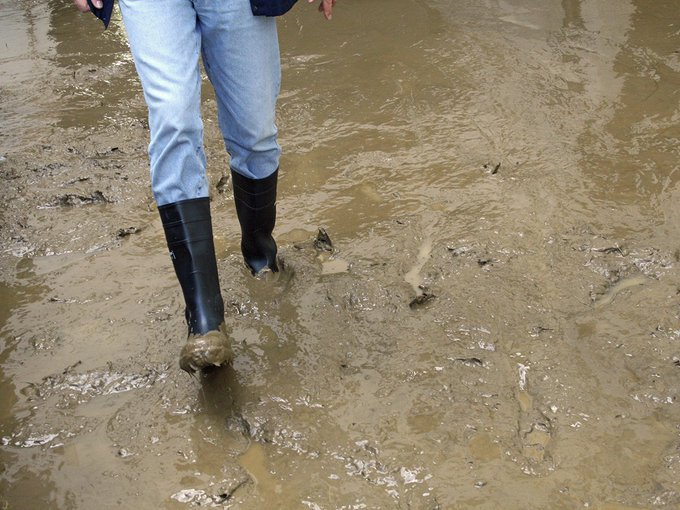
Emergency Flood Damage Cleaning, Flood damage becomes more severe the longer water is left untreated. The first 24 hours after flooding are critical in limiting contamination, structural damage, and long-term repair costs.
This guide explains what should be done immediately after a flood in a UK property, what to avoid, and when professional flood damage cleaning becomes essential.
Step 1: Ensure Safety First
Before attempting any cleanup:
- Turn off electricity at the mains (if safe to do so)
- Avoid standing water near electrical sockets
- Do not enter the property if structural damage is suspected
- Wear protective gloves and waterproof boots
If floodwater contains sewage or comes from external sources, treat it as contaminated.
Step 2: Stop the Source (If Possible)
If flooding is caused by:
- Burst pipes
- Leaking tanks
- Appliance failure
Turn off the water supply immediately.
If flooding is from storms or river overflow, focus on preventing further water entry where safe.
Step 3: Contact Your Insurer
Notify your insurer as soon as possible.
They may require:
- Photos of damage
- Description of flood source
- Details of contamination
- Professional assessment before work begins
Delays in reporting can affect claims.
Step 4: Remove Standing Water Quickly
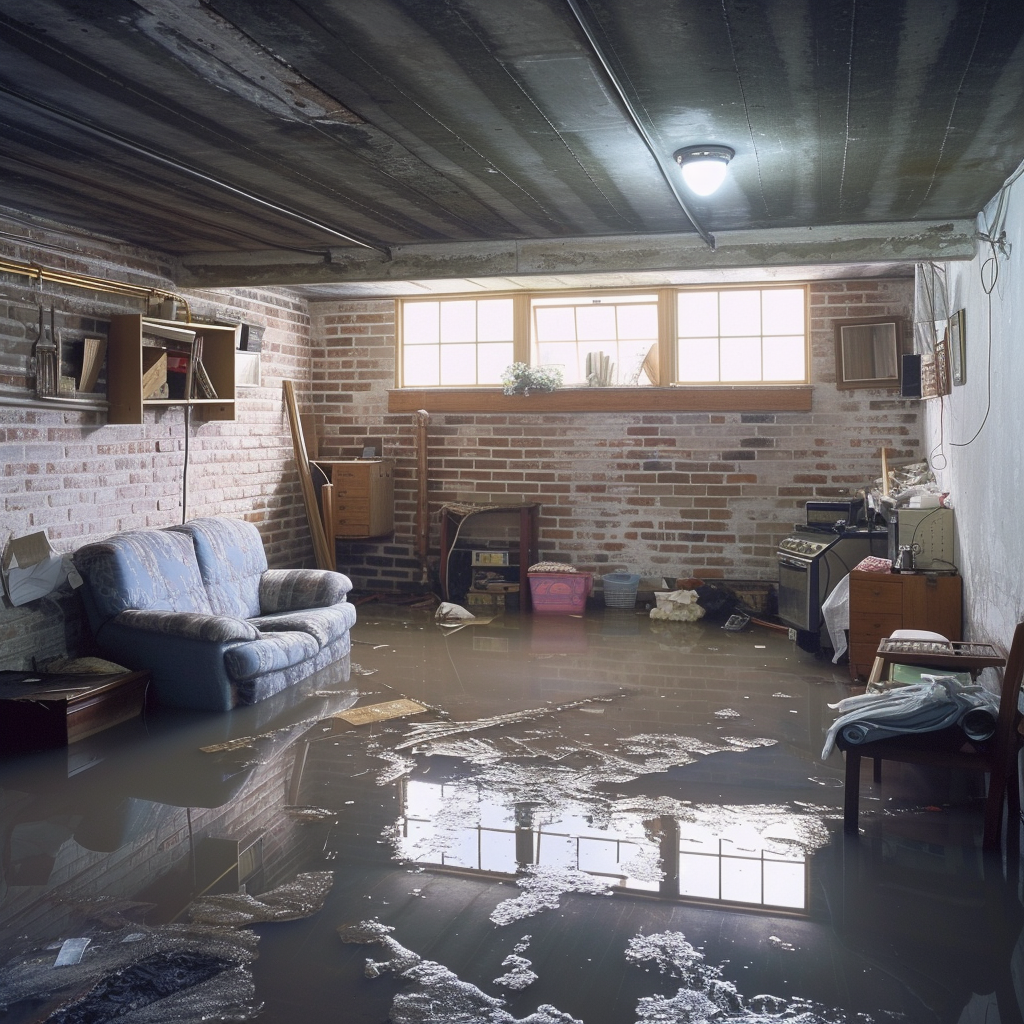
Standing water should be removed immediately using:
- Wet vacuums
- Pumps
- Professional extraction equipment
The longer water sits, the more it penetrates flooring, walls, and insulation.
Step 5: Remove Wet Contents
Remove:
- Carpets and underlay (if saturated)
- Upholstered furniture
- Soft furnishings
- Cardboard, paper, and absorbent materials
Porous materials retain moisture and promote mould growth.
Step 6: Begin Drying Immediately
Open windows where safe and begin ventilation.
However, household fans alone are rarely sufficient. Professional drying equipment is often required to remove hidden moisture.
Proper drying is essential to prevent long-term structural issues, as explained in Structural Drying After Flood Damage: Why It’s Essential.
Step 7: Watch for Contamination Risks
If floodwater is:
- Brown or black
- From drains or sewage systems
- From external surface water
Treat it as hazardous.
The contamination level significantly affects recovery requirements, which is explained in Clean Water vs Sewage Flooding: What’s the Difference and Why It Matters.
Step 8: Prevent Mould in the First 48 Hours
Mould can begin developing within 24–48 hours after flooding.
Early drying and moisture monitoring help prevent the risks outlined in Mould Growth After Flooding: Risks and Prevention.
When Professional Flood Damage Cleaning Is Essential
Professional intervention is required when:
- Multiple rooms are affected
- Structural materials are saturated
- Contaminated water is involved
- Electrical systems have been exposed
- Insurance documentation is required
Common Mistakes in the First 24 Hours
Avoid:
- Turning electricity back on too soon
- Painting over damp surfaces
- Closing the property up without ventilation
- Using domestic dehumidifiers for large areas
- Ignoring hidden moisture
Quick action must also be correct action.
For a full overview of the complete recovery process, see our main guide on Flood Damage Cleaning in the UK: What It Is, When It’s Needed, and How Recovery Works.
Key Takeaways
The first 24 hours after flooding determine how severe the long-term damage becomes. Immediate safety checks, water removal, and early drying are critical to preventing mould, structural deterioration, and insurance complications.

TrustedCare Editorial Team publishes UK guidance on specialist cleaning and biohazard remediation, including after-death cleaning, flood restoration, and contamination control. Content is written for homeowners, landlords, housing providers, and facilities teams seeking clear, practical information.