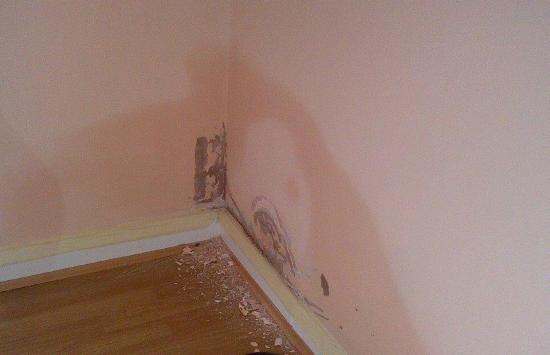
Introduction
One of the most common complaints after flood damage is persistent odour. Even after visible water is removed and surfaces appear dry, a strong musty or damp smell may remain.
Flood odours are usually a sign that moisture, contamination, or bacterial growth is still present somewhere within the property. Simply masking the smell does not solve the underlying issue.
This guide explains why flood odours persist and how they are properly treated in UK properties.
Why Flood Odours Develop
Flood-related smells are typically caused by:
- Trapped moisture inside walls and floors
- Bacterial contamination
- Organic material left behind
- Mould development
- Sewage residue (in contaminated floods)
Odours often become stronger as the property begins to warm and dry.
For a broader overview of pricing across different services, visit our Specialist Cleaning Costs UK
Why Smells Persist After “Drying”
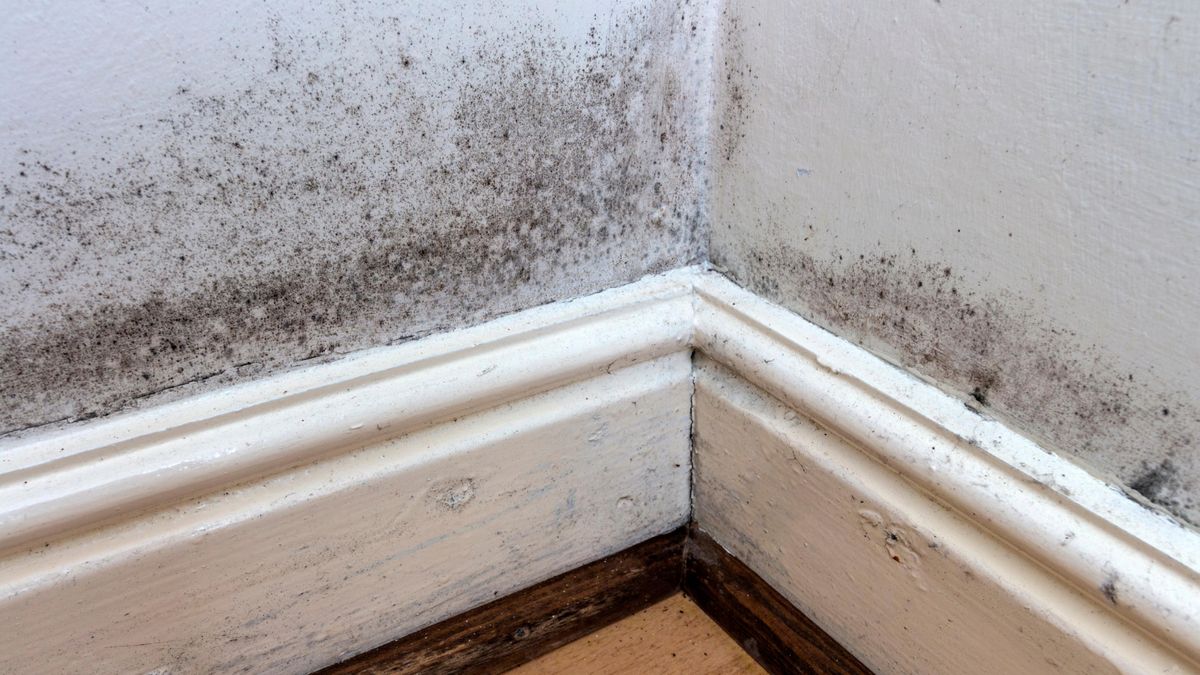
Flood odours persist when:
- Structural drying was incomplete
- Moisture remains in wall cavities
- Carpets or underlay were not removed
- Contaminated materials were left in place
Hidden moisture must be fully removed, as explained in Structural Drying After Flood Damage: Why It’s Essential.
Sewage Flooding and Strong Odours
If the flood involved sewage or surface water, odours are typically stronger and more persistent due to:
- Bacterial contamination
- Organic waste residue
- Increased mould risk
Contamination level significantly affects odour risk, which we explain in Clean Water vs Sewage Flooding: What’s the Difference and Why It Matters.
How Professional Flood Odour Removal Works
Professional treatment may involve:
- Deep cleaning and sanitisation
- Removal of contaminated materials
- Ozone or fogging treatments
- HEPA air filtration
- Moisture monitoring
Odour treatment is only effective once the moisture source has been eliminated.
When Flood Odours Indicate Mould Risk
Persistent musty smells often signal early mould growth.
Mould development after flooding is common and explained in detail in Mould Growth After Flooding: Risks and Prevention.
When to Seek Professional Help
Professional flood damage cleaning is recommended when:
- Odours persist beyond several days
- Multiple rooms are affected
- Sewage contamination was involved
- Insurance documentation is required
Key Takeaways
Flood odours are usually a sign of trapped moisture or contamination. Surface cleaning alone rarely resolves the issue. Proper structural drying, contamination removal, and professional odour treatment are often required to fully restore the property.
Related Guides
- Specialist Cleaning Costs UK
- How Much Does Sewage Cleanup Cost in the UK? Typical Prices Explained
- How Much Does Mould Removal Cost in the UK? Typical Prices Explained

TrustedCare Editorial Team publishes UK guidance on specialist cleaning and biohazard remediation, including after-death cleaning, flood restoration, and contamination control. Content is written for homeowners, landlords, housing providers, and facilities teams seeking clear, practical information.