Structural drying is one of the most important stages of flood recovery. Removing standing water is only the first step — moisture often remains trapped inside walls, floors, insulation, timber, and concrete long after surfaces appear dry.
Without proper structural drying, properties are at high risk of mould growth, odours, and long-term structural damage. This guide explains what structural drying involves, how long it takes, and why it matters after flood damage in the UK.
What Is Structural Drying?
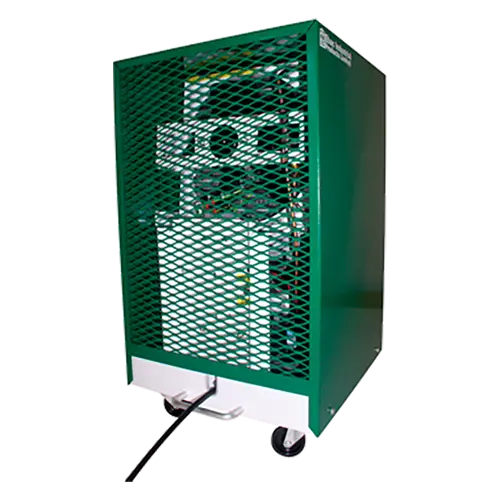
Structural drying is the controlled process of removing trapped moisture from building materials using specialist equipment and monitoring.
It typically involves:
- Industrial dehumidifiers
- Air movers and circulation equipment
- Moisture mapping
- Regular moisture readings
- Controlled ventilation
Unlike basic drying, structural drying focuses on hidden moisture inside the building fabric.
Why Surface Drying Is Not Enough
After flooding, water can penetrate:
- Plasterboard
- Timber joists
- Concrete floors
- Wall cavities
- Insulation materials
Even if surfaces look dry, internal moisture may remain for weeks if untreated. This is why properties that “seem dry” can later develop mould or structural problems.
How Long Does Structural Drying Take?
Typical structural drying times:
- Minor clean water flooding: 3–7 days
- Moderate water saturation: 7–14 days
- Severe or sewage flooding: 14–28 days
Drying time depends on:
- Type of building materials
- Extent of water penetration
- Humidity and ventilation
- Temperature conditions
Rushing this stage often causes secondary damage.
How Professionals Monitor Structural Drying
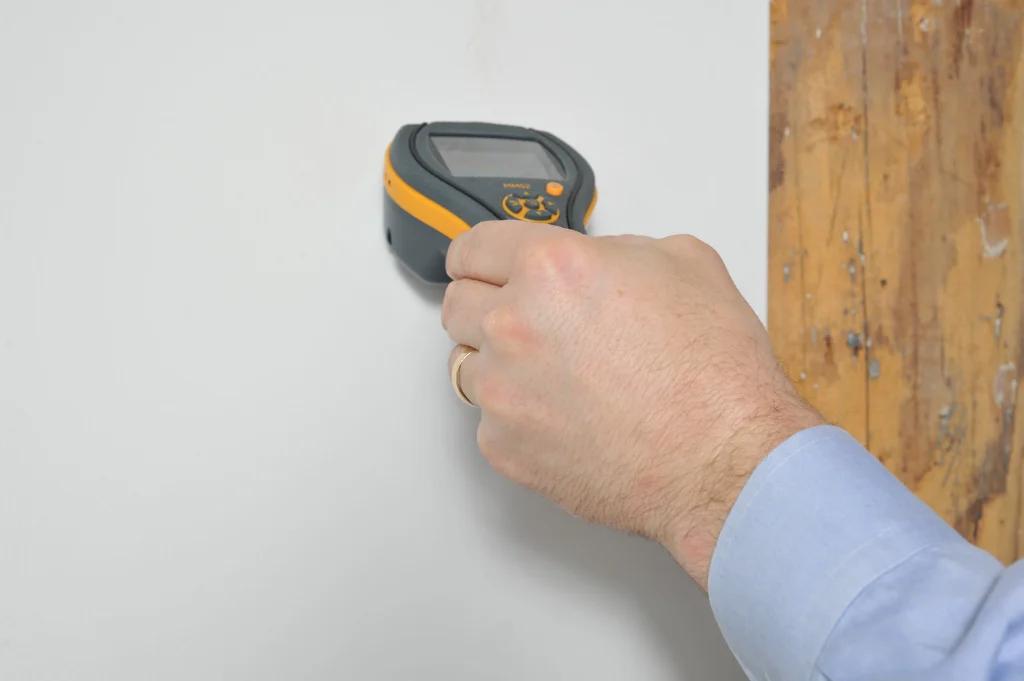
Professional flood drying is monitored using:
- Moisture meters
- Hygrometers (humidity measurement)
- Thermal imaging (in some cases)
- Drying logs and documentation
Drying is complete only when moisture levels return to safe baseline readings. Visual inspection alone is not reliable.
What Happens If Structural Drying Is Skipped?
If structural drying is incomplete, properties are at higher risk of:
- Mould growth developing behind walls or under floors
- Timber rot and structural deterioration
- Warped flooring and damaged finishes
- Persistent odours that don’t disappear
- Recurrent damp problems after repairs
- Insurance disputes if secondary damage occurs
Hidden moisture is one of the most common causes of long-term flood recovery issues.
Incomplete drying significantly increases the risk explained in Mould Growth After Flooding: Risks and Prevention.
Structural Drying and Insurance Claims
Insurance providers often require evidence that drying has been completed properly. That may include:
- Moisture readings
- Drying documentation
- Before-and-after records
- Confirmation of contamination handling where applicable
Incomplete drying can affect claim approval and may cause problems later if mould or damp develops.
Drying requirements also affect pricing, as explained in How Much Does Flood Damage Cleaning Cost in the UK? Typical Prices Explained.
Key Takeaways
Structural drying is essential after flood damage to remove hidden moisture from building materials. Without proper drying, mould, odours, and structural deterioration are likely. Professional monitoring ensures recovery is complete and helps protect insurance claims.
Structural drying forms part of the full recovery process explained in our main guide on Flood Damage Cleaning in the UK: What It Is, When It’s Needed, and How Recovery Works.
Related Guides
- Specialist Cleaning Costs UK
- How Much Does Sewage Cleanup Cost in the UK? Typical Prices Explained
- How Much Does Mould Removal Cost in the UK? Typical Prices Explained

TrustedCare Editorial Team publishes UK guidance on specialist cleaning and biohazard remediation, including after-death cleaning, flood restoration, and contamination control. Content is written for homeowners, landlords, housing providers, and facilities teams seeking clear, practical information.