Landlord Guide to Hoarding Cleanup in the UK
A practical guide to tenant communication, property hazards, legal boundaries, documentation and arranging a safe, respectful clearance.
Confidential specialist-cleaning assistance across England, Scotland and Wales
A landlord should focus on documented hazards, lawful access, respectful communication and proportionate action. Do not remove a tenant’s belongings or force entry without a clear legal basis. Where fire, sanitation, pests, waste or contamination create serious risks, involve the relevant council service and obtain a written specialist-cleaning scope.
Housing, access and possession rules differ between England, Wales and Scotland, and changed significantly in England in 2026. This guide is general information, not legal advice. Use current government guidance and obtain housing-law advice before serving notice, entering without agreement or removing possessions.
What Hoarding Means for a Landlord
Hoarding is not simply untidiness. The NHS describes hoarding disorder as a mental health condition involving the collection of many items and serious difficulty discarding them, even when this affects everyday life.
A landlord should not attempt to diagnose the tenant. The landlord’s role is to identify observable property and tenancy issues: blocked exits, inaccessible services, fire loading, sanitation, damp, pests, structural concerns or inability to carry out essential repairs.
People
Approach the tenant respectfully and consider vulnerability, disability and support needs.
Property
Record specific hazards and repairs rather than making judgements about possessions.
Process
Use lawful access, written agreements and a staged plan for sorting, removal and cleaning.
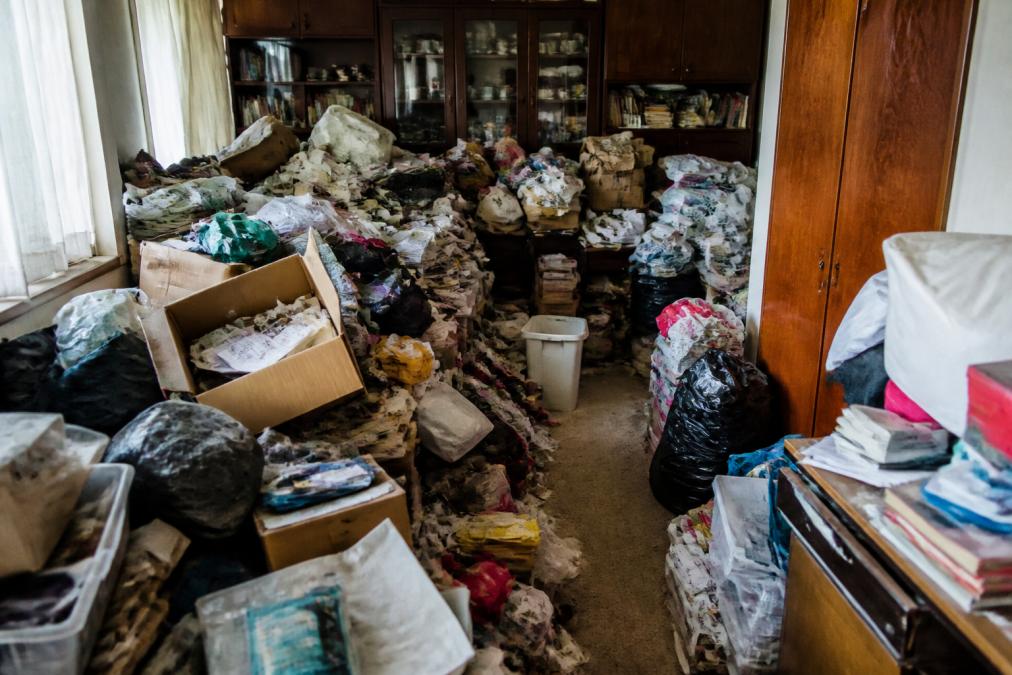
Early Warning Signs During a Tenancy
A single sign does not prove hoarding disorder, but several concerns together may justify a properly arranged inspection or supportive conversation.
- doors, halls, stairs or windows becoming obstructed;
- rooms no longer usable for their intended purpose;
- restricted access to boilers, meters or stopcocks;
- missed gas, electrical or repair appointments;
- strong odour, damp, leakage or pest reports;
- waste accumulating inside or outside the property;
- complaints affecting neighbours or shared areas;
- visible overloading of sockets or unsafe heating;
- concerns about floor loading or structural damage; and
- repeated refusal of access without an alternative arrangement.
Keep factual inspection notes. Write “the hallway was narrowed to approximately one person’s width” rather than “the tenant is a hoarder”. Specific observations are more useful for repairs, support referrals and any later legal process.
Legal Duties, Access and Possession
Landlords must maintain required parts of the property, address serious hazards and follow the correct rules for access. Tenants retain rights to privacy, occupation and their belongings. A tenancy clause does not normally give a landlord an unrestricted right to enter or dispose of possessions.
England
Local authorities use the Housing Health and Safety Rating System under the Housing Act 2004 to assess housing hazards. England’s private-renting and possession rules changed from 1 May 2026 under the Renters’ Rights reforms. Landlords should use current GOV.UK landlord guidance and obtain advice about the correct possession ground and notice rather than relying on older Section 8 or Section 21 templates.
Wales
Welsh renting law uses occupation contracts under the Renting Homes (Wales) framework. Notices, access and possession should be handled using current Welsh guidance or professional advice. Do not assume the English process applies.
Scotland
Scottish private-renting, repairing-standard and eviction procedures are different again. Use current Scottish Government or tribunal guidance and obtain advice before taking tenancy action.
Agreement to remove waste or clean part of the property does not automatically authorise disposal of all belongings or termination of the tenancy. Record what the tenant has agreed can be removed and how disputed items will be handled.
Assessing Hazards in a Hoarded Property
In England and Wales, HHSRS assessment considers hazards arising from the condition of a dwelling. Hoarding itself is not one HHSRS hazard; the property conditions may contribute to fire, falls, damp and mould, pests, sanitation, structural or other risks.
| Issue to assess | What to record | Possible next step |
|---|---|---|
| Fire and escape | Blocked exits, combustible loading, unsafe heating and inaccessible alarms. | Fire-safety advice, urgent route clearance or council referral. |
| Falls and access | Narrow walkways, unstable piles, obscured stairs and unsafe floors. | Agree essential access routes before wider sorting. |
| Repairs and services | Access to boilers, meters, stopcocks, radiators and repair areas. | Set a documented plan for safe contractor access. |
| Damp and leaks | Water staining, mould, roof or plumbing leaks and concealed surfaces. | Repair the source and assess affected materials. |
| Waste and sanitation | Food waste, spoiled items, human or animal waste and unusable facilities. | Specialist cleaning and controlled waste handling where needed. |
| Pests and contamination | Droppings, insects, nesting, odour and contaminated soft materials. | Pest control followed by appropriate cleaning. |
| Structure | Floor deflection, overloading concerns, damaged ceilings or walls. | Obtain a competent building or structural assessment. |
Environmental health, housing, adult social care, safeguarding and the fire and rescue service may become involved depending on the circumstances. The correct route depends on risk, consent, capacity, vulnerability and local procedures.
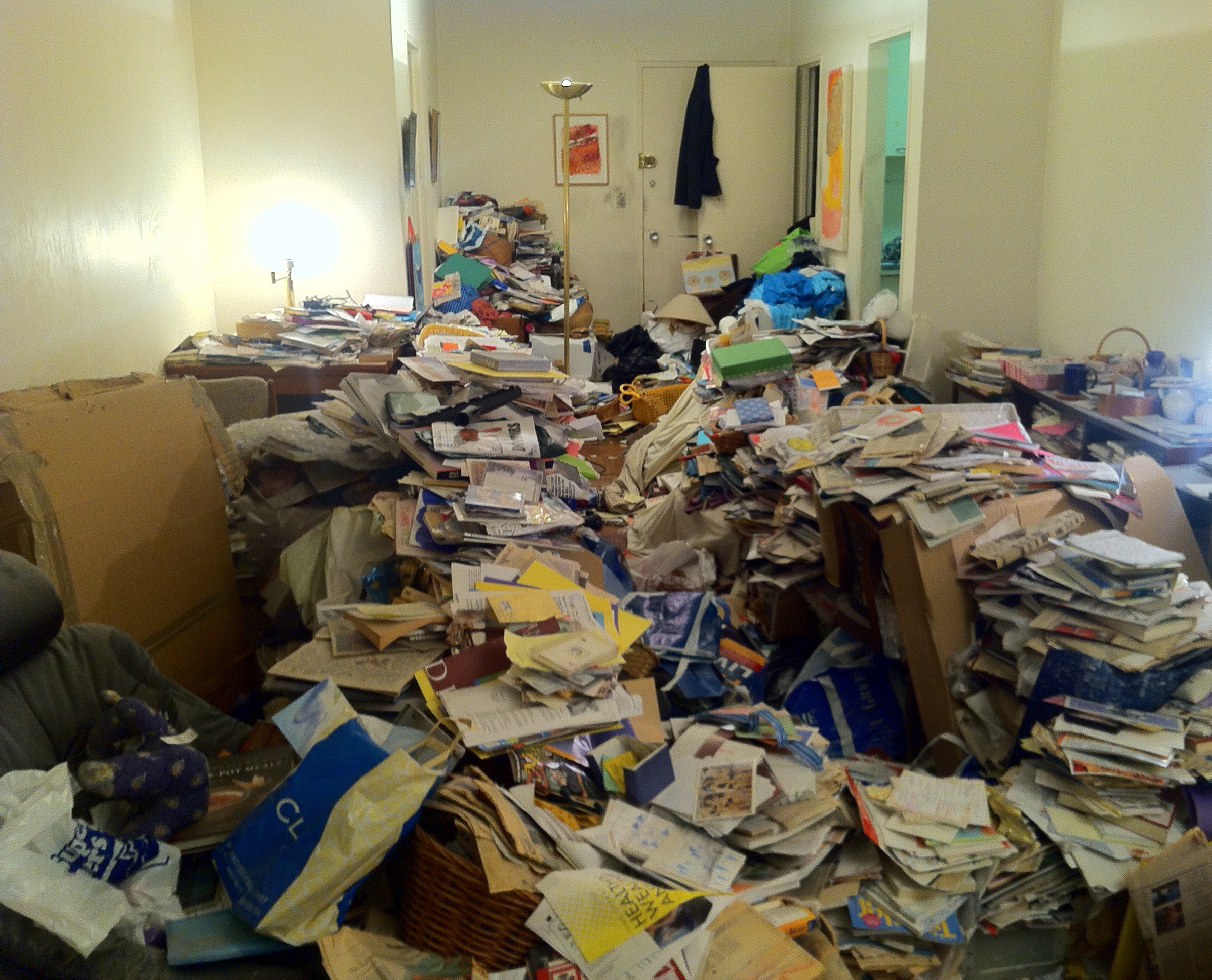
How to Talk to a Tenant About Hoarding
Begin with specific safety or repair issues rather than demanding a complete clearance. Sudden forced removal can cause distress, damage trust and make future access harder.
- Arrange the conversation privately. Give proper notice for any inspection and explain its purpose.
- Describe observations. Refer to the blocked exit, inaccessible boiler or leak rather than labelling the tenant.
- Explain the immediate risk. Separate urgent safety work from general tidiness.
- Ask what support is acceptable. The tenant may agree to staged sorting or contact with a support service.
- Set small written actions. Prioritise escape routes, sanitation and repair access.
- Schedule a review. Record progress and adjust the plan without assuming one cleanup resolves the underlying issue.
Need a Hoarding Property Assessment?
TrustedCare provides confidential hoarding clearance and specialist-cleaning support for landlords, agents, housing providers and families.
Planning a Professional Hoarding Cleanup
A cleanup should have clear authority, a written scope and agreed rules for belongings. The work may involve several distinct stages:

- authority and access confirmed in writing;
- hazards and priority routes assessed;
- items separated into keep, review, remove and hazardous categories;
- important documents and valuables protected;
- waste classified and sent through suitable disposal routes;
- pest, sewage or biological contamination treated separately;
- deep cleaning completed after clearance;
- repairs, drying or reinstatement scoped separately; and
- photographs and handover records retained appropriately.
Items may remain the tenant’s property even where they appear worthless or unsanitary. Obtain appropriate consent or legal advice, document decisions and use a controlled process for valuables, personal papers and disputed belongings.
What Affects Hoarding Cleanup Cost?
There is no reliable fixed price without enough information about the property. A useful quotation separates the stages rather than presenting one unexplained total.
- Volume: the amount to be sorted, carried and removed.
- Waste type: ordinary contents, electrical items, chemicals, sharps, spoiled food and contaminated waste have different routes.
- Labour: careful sorting takes longer than authorised bulk removal.
- Access: stairs, lifts, parking, distance to the vehicle and restricted hours affect time.
- Contamination: pests, bodily fluids, sewage, mould or animal waste may require specialist controls.
- Property condition: leaks, unsafe flooring, utilities and structural concerns may restrict work.
- Cleaning standard: clearance, deep cleaning and decontamination are separate services.
- Repairs: electrical, plumbing, building and decorating work should normally be priced separately.
A one-room clearance may be relatively contained, while a heavily affected property can require staged attendance over several days or longer. Treat estimates based only on bedroom count as provisional.
Insurance, Evidence and Data Protection
Landlord insurance may cover certain sudden insured events or resulting damage, but it may exclude clearance costs, gradual deterioration, neglect, pests or pre-existing conditions. Check the policy and notify the insurer before major removal or repair where circumstances allow.
Useful records include:
- dated inspection notes and photographs;
- access notices and tenant correspondence;
- repair reports and contractor recommendations;
- council, fire-service or support-agency records;
- the written clearance and cleaning scope;
- the tenant’s written disposal decisions;
- waste and completion records; and
- itemised invoices and insurer approvals.
Photographs can capture names, medical information, financial papers and other personal data. Take only what is necessary for a clear purpose, store it securely, restrict sharing and avoid publishing or circulating identifiable images.
After the Cleanup
A clearance does not treat hoarding disorder and does not guarantee the problem will not return. A sustainable plan may combine property monitoring, repairs, support and agreed inspections.
- Confirm that repairs, fire safety and sanitation issues have been completed.
- Provide the tenant with a clear handover and retain appropriate records.
- Agree reasonable future inspections using the correct notice and access procedure.
- Signpost the tenant to health, housing or voluntary-sector support where appropriate.
- Address early warning signs before escape routes or services become obstructed again.
Related guidance: how to clean hoarding properties safely, how to identify hoarding hazards, landlord and tenant responsibilities and what happens to belongings during clearance.
Frequently Asked Questions
Can a landlord enter a hoarded property without permission?
Not simply because the property appears cluttered. Access rules depend on the tenancy, jurisdiction and circumstances. Emergency access can be different, but landlords should obtain current legal advice before forced entry.
Can a landlord throw away a tenant’s belongings?
Not without proper authority. Ownership and duties concerning belongings can continue even where items appear unwanted. Use written consent and obtain legal advice for disputed, abandoned or unsafe items.
Does HHSRS apply to hoarding?
In England and Wales, HHSRS assesses hazards in the dwelling. Hoarding-related conditions may contribute to fire, falls, damp, pests, sanitation and other hazards, but the system assesses the hazards rather than diagnosing the tenant.
Can a tenant be evicted for hoarding?
Hoarding itself is not a shortcut to eviction. Any possession action must use the correct current law and evidence for the jurisdiction and tenancy. Vulnerability, disability and proportionality may also require consideration. Obtain specialist housing-law advice.
When is professional cleanup needed?
Professional assistance is particularly important where there are blocked exits, large waste volumes, sharps, chemicals, pests, animal or human waste, sewage, mould, structural concerns or a need for documented disposal and cleaning.
Who normally pays for the cleanup?
Responsibility depends on the tenancy, cause, authority for the work, insurance and individual facts. The landlord should not automatically deduct the full cost or assume the insurer will pay. Obtain evidence and advice before allocating liability.
How should a landlord approach the tenant?
Use a private, calm conversation focused on identifiable hazards and essential access. Avoid diagnosis or blame, agree small actions in writing and consider appropriate support services.
Arrange a Hoarding Property Assessment
Contact TrustedCare with the postcode, property type, access position, approximate volume and any known contamination or safety concerns.
