Quick answer: indicative UK trauma-cleaning costs commonly range from approximately £500 to £1,500 for limited contamination, £1,500 to £3,500 for more involved work and £3,500 to £10,000 or more for extensive or long-standing contamination. These are broad planning figures, not fixed quotations.
The average cost of trauma cleanup depends on far more than the size of a room. The source and extent of contamination, affected materials, working time, protective equipment, specialist waste disposal and any required removal work can all change the final price.
A UK consumer cost guide published by Checkatrade gives an approximate average crime-scene-cleaning cost of £3,500. However, a national average should not be treated as the likely cost of an individual job because the difference between a contained blood spill and a long-undiscovered death can be substantial.
This independent guide explains realistic cost brackets, what should be included in a quotation, how insurance may apply and how to avoid an unexpectedly increasing bill.
UK Trauma-Cleanup Cost Guide
The following figures provide a reasonable starting point for budgeting. Prices vary between contractors and regions, and VAT, emergency attendance, waste disposal or reinstatement may not always be included.
| Approximate level | Indicative price | Possible circumstances |
|---|---|---|
| Limited incident | £500–£1,500 | Small affected area, limited penetration and little material removal |
| Moderate incident | £1,500–£3,500 | One substantially affected room, porous materials and specialist waste |
| Extensive incident | £3,500–£10,000+ | Long-standing or widespread contamination, structural penetration or several rooms |
These brackets are for specialist cleaning and remediation. Repairs such as new flooring, plasterboard, decorating or replacement furniture may be priced separately.
Important: a precise price cannot be calculated from the number of bedrooms alone. The physical area affected and the depth of contamination are more important.
What Is Included in Specialist Trauma Cleanup?
Trauma cleanup is the specialist removal, cleaning and management of biological contamination following a death, accident or similar incident. It goes beyond ordinary domestic cleaning.
A professional scope may include:
- An initial assessment of the affected area.
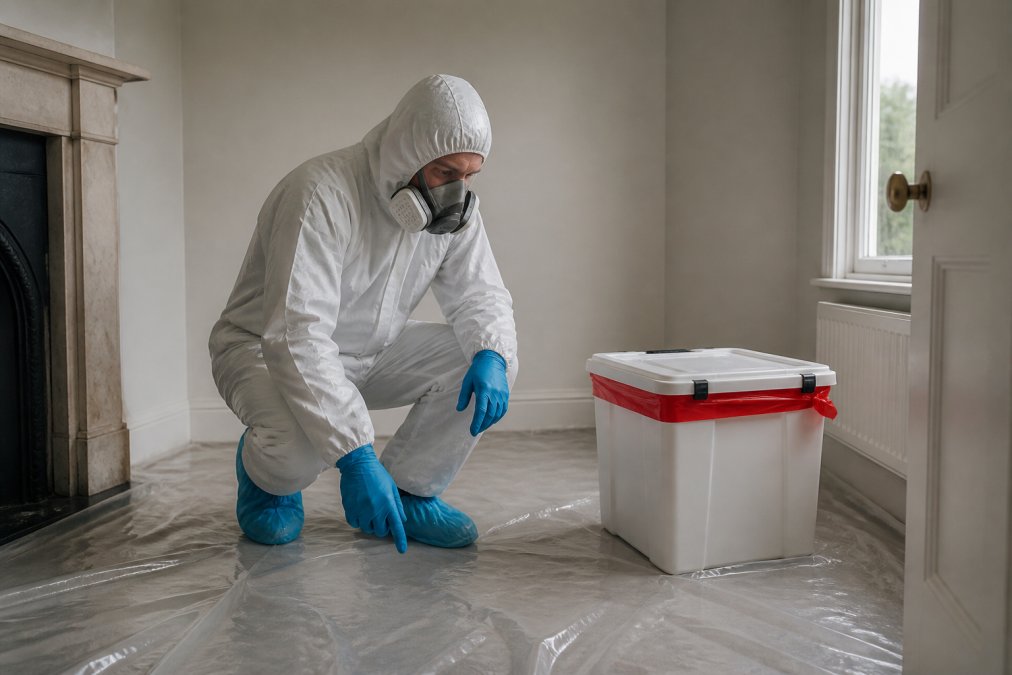
- Containment to reduce the risk of contamination spreading.
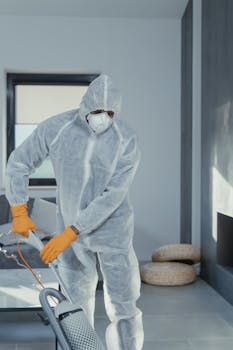
- Appropriate personal protective equipment.
- Removal of bodily fluids and biological contamination.
- Removal of porous materials that cannot be reliably restored.
- Cleaning and disinfection of retained surfaces.
- Odour-source treatment rather than temporary masking.
- Packaging and lawful transfer of contaminated waste.
- A final inspection and job documentation.
Carpet, underlay, mattresses, untreated wood and sections of plasterboard may sometimes require removal if contamination has penetrated them. Whether an item can be retained must be decided following an assessment rather than assumed in advance.
The Health and Safety Executive publishes guidance on the control of substances hazardous to health, which helps explain why biological contamination should not be treated as routine cleaning.
What Affects the Cost of Trauma Cleanup?
Type and Extent of Contamination
A small, recent and contained incident will normally require less labour and fewer materials than contamination that has spread beneath flooring or into adjoining areas.
Where a death has remained undiscovered for an extended period, biological contamination and odour can penetrate several layers of material. This may increase the amount of removal work and waste produced.
For further background, read how soon decomposition odour can begin after a death.
Materials Affected
Sealed, non-porous surfaces may sometimes be cleaned in place. Absorbent materials are more difficult because contamination can pass below the visible surface.
The price can rise if the contractor must lift flooring, remove underlay, open part of a wall or dispose of contaminated furniture.
Number of Technicians and Time on Site
Labour is normally a major part of the quotation. Larger or more complex scenes may need several technicians to maintain containment, complete the cleaning safely and move waste.
Emergency, overnight or weekend attendance may also cost more than work scheduled during standard operating hours.
Protective Equipment and Consumables
Disposable protective clothing, gloves, respiratory protection, specialist cleaning products, absorbent materials, sealed bags and protective sheeting can all form part of the cost.
Waste Classification and Disposal
Biologically contaminated materials cannot simply be placed in ordinary household rubbish. Packaging, collection, transport and disposal requirements can add a significant amount to the quotation, especially where flooring, furniture or other bulky materials are removed.
Odour Treatment
Odour treatment may be required after the physical source has been removed. A smell cannot be reliably resolved if contaminated material remains concealed under flooring or inside another part of the building.
Access and Location
Flats without lifts, restricted parking, narrow staircases and properties in remote locations can add time. Waste and equipment may need to be carried through the building while unaffected areas are protected.
Repairs and Reinstatement
Specialist cleanup and building repairs are not necessarily the same service. Replacing carpet, flooring, plasterboard or decorations may require a separate contractor and quotation.
Need a Confidential Assessment?
TrustedCare provides specialist after-death and biohazard-cleaning support across the UK. Contact them to discuss the property and obtain guidance based on the actual circumstances.
Example Trauma-Cleanup Cost Scenarios
These examples show why two jobs in similar-sized properties can produce very different quotations.
Example 1: Small, Contained Incident
A small affected area on a sealed surface with no penetration into flooring may fall within the lower cost bracket. The work may involve assessment, local containment, cleaning, disinfection and limited waste disposal.
Example 2: One Room With Porous Materials
If contamination has entered carpet, underlay and furniture, removal and disposal increase the labour and waste charges. Odour treatment and access to the subfloor may also be required.
Example 3: Unattended Death With Structural Penetration
A longer undiscovered period may lead to contamination beneath flooring or inside other building materials. Several visits, substantial removal, specialist waste disposal and later reinstatement may be needed. This can move the total into the higher price bracket.
What Should a Trauma-Cleanup Quotation Include?
A written quotation or scope of works should make it clear what you are paying for. Check whether it includes:
- Initial attendance and assessment.
- The number of technicians and estimated working time.
- Containment and protective equipment.
- Cleaning and disinfection.
- Removal of affected materials.
- Packaging, transport and disposal of contaminated waste.
- Odour treatment.
- Any follow-up visit or inspection.
- Photographs, reports or other documentation.
- VAT and travel charges.
- Items specifically excluded from the price.
If the full extent cannot be seen until flooring or another material is lifted, the contractor should explain how additional work will be authorised and priced.
Watch for: a low initial figure that excludes waste disposal, materials or follow-up work. Ask for the included and excluded items in writing before authorising the job.
Does Insurance Cover Trauma Cleanup?
Home, landlord and commercial insurance policies vary. Some may cover specialist cleanup where the contamination results from an insured event, while others may contain exclusions, limits or specific notification requirements.
If an insurance claim may be possible:
- Prevent unnecessary entry into the affected area.
- Notify the insurer as soon as reasonably possible.
- Ask whether the insurer must approve the contractor or scope.
- Take photographs where it is safe and appropriate to do so.
- Obtain a written assessment and scope of works.
- Keep invoices, correspondence and waste documentation.
- Ask before disposing of property that may form part of the claim.
Urgent safety measures should not be delayed where doing so would allow damage or risk to increase. However, speak to the insurer before authorising extensive non-emergency removal whenever circumstances allow.
If a consumer insurance complaint cannot be resolved directly with the insurer, information about the complaints process is available from the Financial Ombudsman Service.
Responsibility for payment can depend on property ownership, tenancy arrangements, insurance and the circumstances of the death. Our separate guide explains who may be responsible for arranging after-death cleaning.
Can Trauma Cleanup Be Done Yourself?
Ordinary household cleaning may be suitable for minor, non-hazardous dirt. It is not equivalent to remediation involving blood, bodily fluids, decomposition or significant biological contamination.
Possible risks include:
- Direct contact with biological material.
- Spreading contamination into unaffected areas.
- Using an unsuitable chemical or mixing incompatible products.
- Missing contamination beneath flooring or furniture.
- Incorrect packaging or disposal of affected waste.
- Emotional distress for relatives or occupants.
Keep people and pets away from the affected area and seek specialist advice if biological contamination is visible, has entered porous material or is causing a persistent odour.
How to Choose a Trauma-Cleanup Company
Ask prospective contractors:
- Whether their insurance covers trauma and biohazard work.
- How they will assess and contain the affected area.
- Which materials they expect to clean and which may need removal.
- How contaminated waste will be packaged and transferred.
- Whether waste costs are included in the quotation.
- What documentation will be supplied after the work.
- Whether repairs and reinstatement are included or separate.
- How any additional work will be agreed.
A reliable provider should be willing to explain the process without using fear or pressure to force an immediate booking.
Frequently Asked Questions
What is the average cost of trauma cleanup in the UK?
A broad planning range is approximately £500 to £1,500 for limited incidents, £1,500 to £3,500 for moderate work and £3,500 to £10,000 or more for extensive contamination. A site-specific quotation is needed because individual cases vary substantially.
How much does unattended-death cleaning cost?
Costs depend on how long the death remained undiscovered, the area affected and whether contamination has penetrated flooring or structural materials. An extensive case can cost several thousand pounds, particularly where substantial removal and disposal are required.
Does the price include contaminated-waste disposal?
It may, but this should be confirmed in writing. Some quotations include packaging, transport and disposal while others show these as separate charges.
Does home insurance pay for trauma cleanup?
It may do if the incident falls within the policy’s insured risks. Coverage, limits and exclusions differ, so contact the insurer and check the policy before assuming the cost will be paid.
How long does trauma cleanup take?
A small and contained incident may be completed relatively quickly. Extensive contamination, material removal, drying or follow-up treatment can take several days. The contractor should provide an estimated duration after assessment.
Will the cleaning company replace removed flooring?
Not always. Some contractors provide cleaning and removal only, while others can arrange reinstatement. Ask whether repairs are included before approving the quotation.
Need Specialist Help?
For confidential help with after-death, trauma or biohazard cleaning, contact TrustedCare to discuss the circumstances and the next appropriate step.
